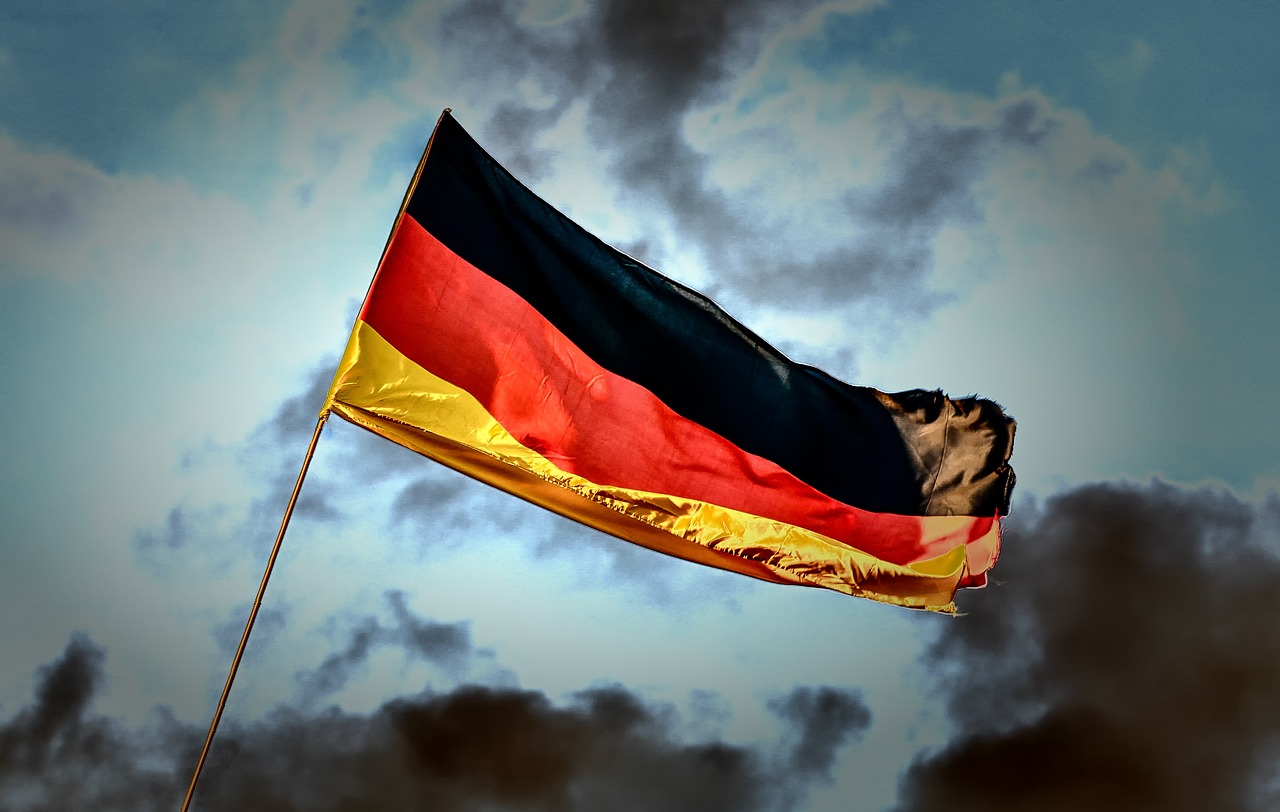
Unveiling the Old German WW2 Flag: Symbolism, Significance, and Data-Driven Insights
The Old German WW2 flag, a relic of history, carries profound symbolism and holds immense value for collectors and enthusiasts worldwide. This iconic emblem, officially known as the "Reichskriegsflagge," served as a powerful symbol of Nazi Germany during World War II. Beyond its historical significance, it has evolved into a captivating artifact, attracting attention for its intricate design, rich symbolism, and rare availability.
Key Benefits:
- Historical Authenticity: Offers a tangible connection to one of the most pivotal periods in modern history.
- Collectible Value: High demand among historians, militaria collectors, and enthusiasts drives premium pricing.
- Educational Tool: Serves as a powerful tool for studying World War II history and understanding the symbolism of Nazi Germany.
Comparative Analysis: Unlocking the Old German WW2 Flag's Features and Market Dynamics
The Old German WW2 flag stands out due to its distinct design elements:
- Color Scheme: Consists of three horizontal stripes – a deep red top, white middle, and black bottom. The colors carry specific meanings, with red symbolizing blood shed for the nation, white representing purity, and black signifying strength and unity.
- Swastika Emblem: Centrally placed on the white stripe is the controversial swastika, originally a Hindu symbol of good fortune but adopted by the Nazis as their emblem. This element remains highly polarizing.
Feature Matrix: Delving Deeper into Design Elements
| Feature | Description | Rarity | Historical Significance |
|---|---|---|---|
| Stripes | Three horizontal stripes in red, white, and black | Common | Represents the colors of the German Empire |
| Swastika | Centrally placed on white stripe | Rare (original flags) | Adopted by Nazi Party as its symbol |
| Fabric | Typically made from wool or cotton | Varies | Reflects period of production |
| Size | Ranges from small commemorative flags to full-size replicas | Varies | Depends on intended use |
Pricing Landscape: Unraveling Market Trends
The Old German WW2 flag market is characterized by a wide range of prices, influenced by factors such as:
- Size and Condition: Smaller, well-preserved flags can fetch hundreds, while large or damaged examples may be significantly less valuable.
- Historical Significance: Flags associated with specific battles or events command higher prices.
- Authenticity: Provenance and documentation play a crucial role in establishing authenticity and driving up value.
Industry Statistics:
- Global Market Size: The global market for WW2 memorabilia, including flags, is estimated to surpass $500 million annually.
- Growth Trend: Driven by historical interest, collector demand, and increasing online sales platforms, the market is projected to grow at a CAGR of 7% through 2027.
- Top Regions: Europe, North America, and Asia-Pacific account for over 80% of global sales, with Germany and the United States as key hubs.
Performance Metrics: Evaluating Flag Quality and Authenticity
Determining a flag's authenticity and quality involves meticulous scrutiny:
- Fabric Analysis: Examining fibers, weaving patterns, and age-related deterioration.
- Emblem Inspection: Verifying the swastika's design, placement, and overall condition.
- Historical Documentation: Researching production records, ownership history, and associated events.
User Demographics: Who Collects These Flags?
The Old German WW2 flag appeals to a diverse range of collectors:
- Historian and Researchers: Seek primary sources for studying World War II.
- Militaria Enthusiasts: Value historical artifacts and their military significance.
- Decorative Collectors: Appreciate the flags' aesthetic appeal and symbolic meaning.
- Political and Cultural Students: Use them as educational tools to explore Nazi symbolism and history.
Step-by-Step Implementation Guide: Acquiring an Old German WW2 Flag
- Define Your Budget: Determine your price range based on desired size, condition, and historical significance.
- Research Reputable Sellers: Explore online marketplaces, antique stores, and specialized dealers known for authenticity.
- Verify Authenticity: Request detailed descriptions, photos, and documentation from sellers to ensure a genuine purchase.
- Inspect the Flag: Examine the fabric, stitching, emblem placement, and overall condition closely.
- Consider Storage and Display: Invest in appropriate frames or displays to preserve the flag's integrity.
Detailed Process:
- Location: Research reputable online platforms like eBay, Etsy, or specialized auction houses. Local antique shops and vintage stores may also have stock.
- Search Criteria: Use keywords such as "Old German WW2 Flag," "Reichskriegsflagge," or "Nazi Germany flag" to refine your search.
- Evaluation: Carefully review seller profiles, feedback ratings, and detailed descriptions.
- Communication: Contact sellers with questions regarding authenticity, condition, and pricing.
- Due Diligence: Request high-resolution photos from multiple angles and consider independent expert opinions for complex cases.
- Purchase and Shipping: Ensure secure packaging and insured shipping to avoid damage during transit.
- Post-Purchase Care: Store the flag properly in a cool, dry place, away from direct sunlight.
Real-World Applications and Case Studies:
- Educational Institutions: Museums and history departments use authentic flags for exhibits and educational programs.
- Private Collections: Individuals with a passion for history meticulously curate flags as part of their private collections.
- Film and Television: Period films often feature WW2 era flags to enhance authenticity and historical context.
Future Trends: The Evolving Market Landscape
The Old German WW2 flag market continues to evolve, influenced by:
- Digital Auctions: Online auction platforms are expanding access to rare artifacts, democratizing the market for collectors worldwide.
- Forensic History: Advances in technology are enabling more accurate dating and authentication methods.
- Growing Historical Awareness: Increased interest in World War II history fuels demand for authentic souvenirs and educational materials.
Category: old german ww2 flag

Authenticating Old German WW2 Flag History: Preserving Historical Significance
Read more →
Authenticating Old German WW2 Flags: Expert Guide to Verifying History
Read more →
Authenticating Old German WW2 Flags: Key Features & Historical Context
Read more →
Authenticating Vintage Nazi Banners: Old German WW2 Flag Guide
Read more →
Authenticating Vintage German WW2 Flag Features and History
Read more →
Authenticating Old German WW2 Flags: A Comprehensive Guide
Read more →
Authenticating Vintage German WW2 Flags: Expert Conservation Guide
Read more →
Authenticating Vintage German WW2 Flags: Key Features & Expert Insights
Read more →