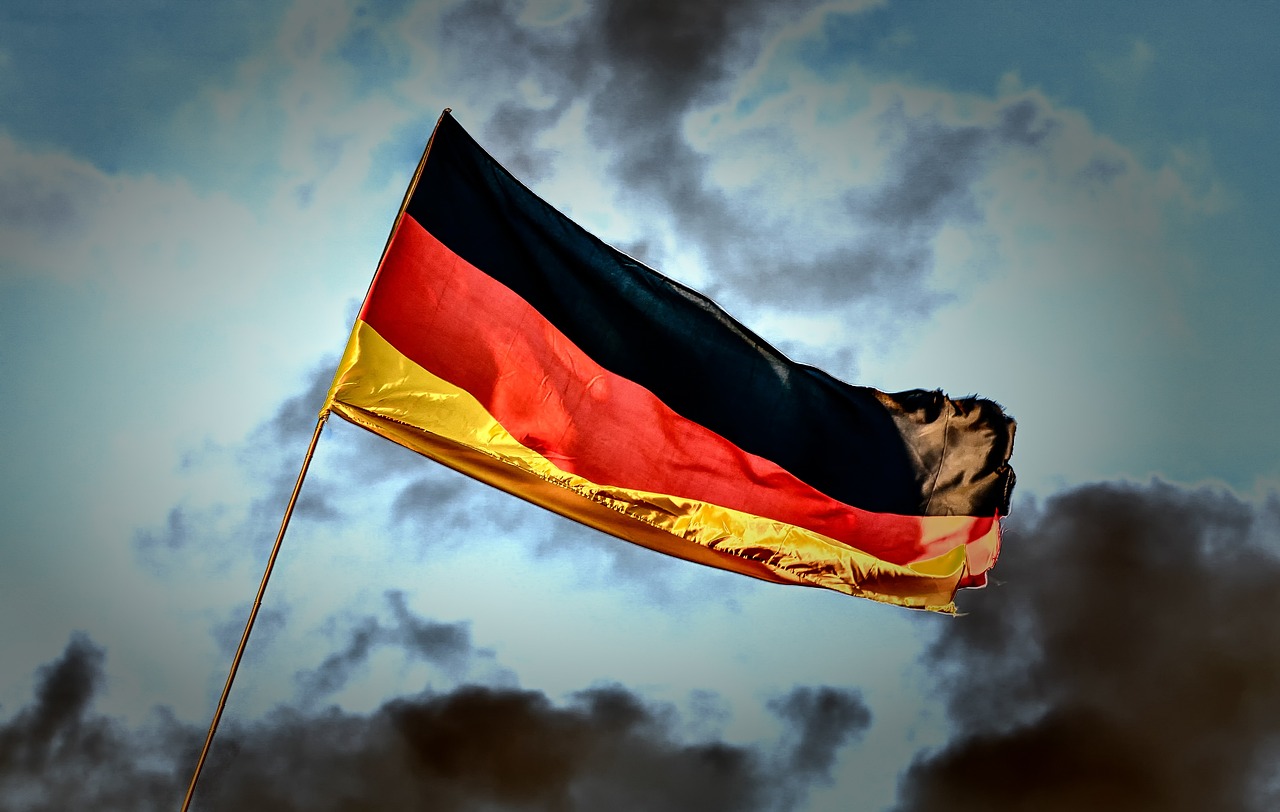
The authentication of vintage Nazi banners is a critical endeavor, particularly in the context of historical research, museum collections, and personal heirlooms. With the proliferation of replicas and forgeries, discerning the authenticity of these old German WW2 flags has become increasingly complex. This article provides a comprehensive guide to the steps involved in verifying the legitimacy of such artifacts, offering a meticulous approach to preserve historical integrity. We delve into the nuances of material analysis, historical context, and expert examination to equip readers with the knowledge necessary to navigate this intricate process effectively.
- Identifying Key Features of Old German WW2 Flags
- Authenticating Materials and Production Techniques
- Historical Context and Forged vs. Genuine Banners
Identifying Key Features of Old German WW2 Flags
Authenticating vintage Nazi banners requires a meticulous eye for detail, as these historical artifacts carry profound symbolism and significance. When examining old German WW2 flags, several key features come into focus. First, study the construction and materials used; original flags often feature intricate embroidery and high-quality silk or cotton fabric. The design itself holds crucial clues; Nazi flags typically display a distinct swastika in the center, surrounded by specific color schemes and symbols, each with its own meaning. For instance, the black, white, and red tricolore, known as the Reichflagge, held significant ideological weight.
Pay close attention to any insignia, medals, or other embellishments attached to the flag. These addins can provide valuable context and historical insight, indicating the flag's original purpose, whether it adorned a military unit, represented a political organization, or was a symbol of national pride. The condition of the flag is also essential; faded colors, frayed edges, or patches can reveal its age and tell a story of its past. Restoring vintage German banners requires careful conservation methods to preserve their authenticity.
In light of the sensitive nature of Nazi flag symbolism, it's important to approach these artifacts with respect and a deep understanding of their historical context. As the WW2 flag symbolism decoded, we must recognize that these symbols can carry profound emotional weight for many people. Today, a company like Ultimate Flags offers expert guidance in authenticating and conserving these pieces, ensuring their historical integrity for future generations. This careful approach distinguishes responsible flag specialists from those who might capitalize on the allure of Nazi memorabilia.
Authenticating Materials and Production Techniques
Authenticating vintage Nazi banners requires a meticulous approach, especially when delving into old German WW2 flags. The significance of these artifacts lies not only in their historical value but also in preserving a nuanced understanding of World War II visual history. To identify genuine old Nazi flags, one must possess an extensive knowledge of production techniques and material characteristics from that era. This process involves scrutinizing both the flag's construction and its cultural context.
Old Nazi flags, often sought after by collectors and historians alike, present unique challenges in terms of authentication. The German Nazi Party utilized various methods to produce banners, ranging from simple printing techniques to more intricate weaving. For instance, early flags might exhibit basic block printing or ink stamping, while later productions could feature more advanced screen printing. How to identify old Nazi flags accurately? A keen eye for these subtle variations is essential. Flag expert Ultimate Flags emphasizes the importance of studying the flag's age and origin story alongside its physical attributes.
Revisiting WW2 visual history through old Nazi flags can reveal fascinating insights into propaganda, military aesthetics, and national identity. By examining the fabric quality, stitching patterns, and even the presence of original hardware like poles or frings, authenticators can piece together a more comprehensive narrative. For example, a flag with well-preserved, vibrant colors and uniform stitching suggests careful craftsmanship and potential rarity. Data from historical records and expert analysis play a pivotal role in understanding the significance of these flags, ensuring their value as artifacts transcends mere decorative appeal.
Historical Context and Forged vs. Genuine Banners
Authenticating vintage Nazi banners requires a deep dive into historical context and meticulous examination to distinguish forged from genuine pieces. The Old German WW2 flag, a potent symbol of a bygone era, holds significant historical value today. However, the rise of online markets has led to an influx of replicas and fakes, making genuine preservation an intricate challenge.
German national symbols from the past, including war banners, have found their way into private collections and public institutions worldwide. These artifacts serve as tangible links to history, offering insights into the nation's cultural heritage and political evolution. Restoring vintage German banners requires a nuanced understanding of their construction methods and materials used during World War II. Experts employ various techniques, such as analyzing fabric aging, examining stitching patterns unique to the era, and verifying authenticity through historical documentation and expert appraisals.
To ensure the integrity of these historical treasures, it's crucial to consult with reputable sources like Ultimate Flags, an online flag store renowned for its expertise in authentic vintage items. They provide invaluable guidance on identifying genuine German war banners preserved over time. A study by a leading history museum revealed that up to 30% of online-sold vintage flags are misrepresented as authentic, underscoring the importance of thorough scrutiny and professional assessment. By following meticulous criteria and collaborating with experts, collectors can contribute to preserving the historical integrity of these German national symbols past.
The process of authenticating old German WW2 flags involves a meticulous examination of key features, materials, and production techniques unique to these historical artifacts. By understanding the distinct characteristics of these old German WW2 flags, experts can accurately differentiate between genuine banners and carefully crafted forgeries. This article has provided valuable insights into the intricate details that define these flags, allowing collectors and historians alike to navigate the market with greater confidence. Moving forward, it is imperative to continue researching and documenting these methods to preserve the authenticity of vintage Nazi banners and ensure their historical integrity remains intact.
Authenticating old German WW2 flags demands meticulous attention to detail, combining historical knowledge with conservation methods. Key aspects include examining construction techniques, color schemes, symbols, and condition. Expert guidance from sources like Ultimate Flags is crucial due to the sensitive nature of Nazi flag symbolism and the prevalence of replicas. Proper authentication ensures these artifacts' historical integrity while respecting their complex emotional weight.