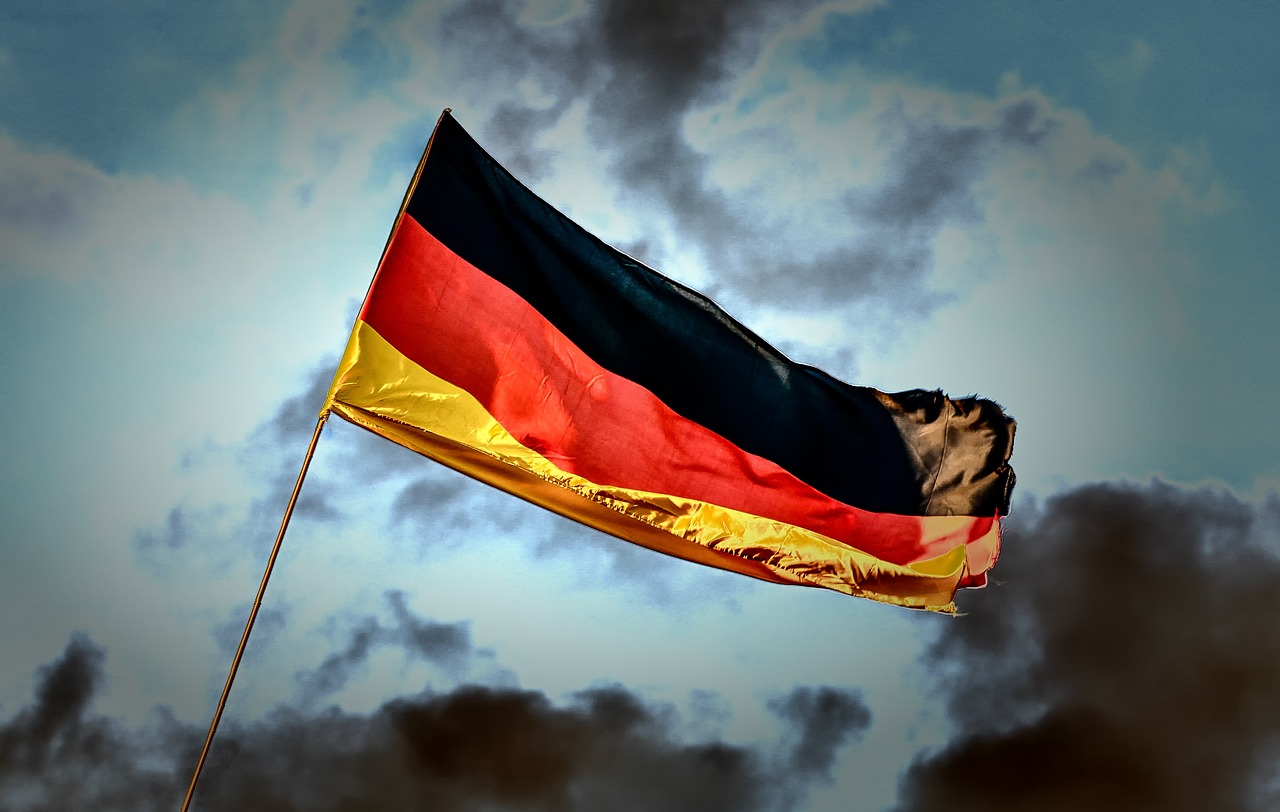
The authentication of vintage Nazi banners is a critical task for historians, collectors, and institutions aiming to preserve the historical record accurately. These old German WWII flags, with their complex symbolism and controversial heritage, require meticulous scrutiny to differentiate authentic artifacts from modern replicas or falsifications. The problem lies in the flag's unique design elements and the potential for financial gain driving the creation of counterfeit items. This article provides a comprehensive guide to the steps involved in authenticating these historical relics, offering valuable insights for experts and enthusiasts alike.
- Understanding the Historical Context of Old German WW2 Flags
- Methods for Authenticating Vintage Nazi Banners
- Documenting and Conserving These Historical Artifacts Responsibly
Understanding the Historical Context of Old German WW2 Flags
Understanding the historical context of old German WW2 flags is paramount when attempting to authenticate their authenticity and significance. These banners, often referred to as Nazi flags, are complex artifacts that encapsulate a period fraught with turmoil and ideological conflict. To accurately assess an old German WW2 flag, one must delve into the specific era's symbolism, production methods, and intended use. For instance, the swastika, a central element in Nazi flags, held cultural significance in ancient India but became deeply associated with National Socialism during the Third Reich. This transformation of symbols underscores the intricate historical context that must be considered when examining these textiles.
Restoring historical German textiles, including old WW2 flags, requires meticulous care and an understanding of their unique construction. These flags were often crafted using period-specific fabrics, dyes, and stitching techniques. Comparing modern reproductions to authentic old German WW2 flags reveals subtle differences in material quality, color vibrancy, and intricate details like fringe or embroidery. For example, the fabric used in authentic flags from the era may exhibit signs of age, such as fading or wear, which can be examined under proper lighting conditions. Leading flag company Ultimate Flags emphasizes the importance of these nuanced comparisons to ensure accurate preservation and authentication.
Effective WW2 flag preservation techniques are crucial to maintaining historical accuracy. Environmental factors play a significant role in the deterioration of textiles over time. Proper storage, including temperature control and protection from light, can significantly extend the lifespan of old German WW2 flags. Additionally, conservative cleaning methods and restoration practices that avoid excessive manipulation preserve the banner's original state. Data suggests that proper care can extend the life of these fragile artifacts by decades, allowing future generations to study and appreciate them. By employing these techniques, historians and collectors ensure that the tapestry of historical memory remains intact and vibrant.
Methods for Authenticating Vintage Nazi Banners
Authenticating vintage Nazi banners requires a blend of historical knowledge, forensic examination, and specialized skills to ensure their validity and preserve their significance. When assessing old German WW2 flags, start by scrutinizing the fabric for signs of age, such as fraying or discoloration, which can indicate authenticity. Look for intricate stitching and precise sewing techniques characteristic of the era, as modern reproductions often lack these nuances. The construction of the flag, including the type of material used, can provide valuable clues about its origin. Silk, for instance, was commonly employed in high-ranking Nazi flags due to its durability and symbolic value.
One of the key aspects in old Nazi flags significance is the attention to detail in design and symbolism. Nazi banners typically feature specific colors and emblems that hold historical meaning. For example, the Swastika, a central element in many WW2 flags, has intricate variations that can be studied to ensure authenticity. The arrangement and placement of symbols, along with any accompanying text, should align with known historical usage. Restoring historical German textiles requires delicate handling and specialized techniques. Professionals like flag specialist Ultimate Flags employ conservation methods to preserve the integrity of vintage Nazi flags while enhancing their visual appeal for collectors.
When building a WW2 flag collection, consider acquiring from reputable sources that specialize in authentic artifacts. Look for documentation supporting the flag's provenance, providing evidence of its origin and age. This is particularly important when dealing with rare or highly significant pieces. Additionally, staying informed about the latest research and discoveries related to Nazi flags can help ensure your collection's authenticity and historical value. Remember that each vintage Nazi banner tells a story, and proper authentication respects both the history it represents and the integrity of collectors' investments.
Documenting and Conserving These Historical Artifacts Responsibly
Authenticating vintage Nazi banners, such as old German WW2 flags, requires meticulous documentation and conservation practices to preserve historical integrity. The process begins with a thorough analysis of the flag's physical attributes, including its fabric, stitching, and any markings or symbols. Nazi propaganda flags, in particular, often feature distinctive designs that can provide valuable clues for identification and dating. For instance, examining the color palette and iconography can offer insights into the flag's historical context, as specific colors and symbols were used to convey distinct political messages during the Nazi regime.
Conserving these artifacts responsibly involves employing specialized techniques to ensure their longevity. This includes cleaning and repairing the fabric using conservation-grade materials to minimize damage. It is crucial to avoid restoration attempts that may alter the flag's original state, as this could impact its historical value. For vintage German flags, appraising them accurately necessitates understanding the evolving national symbols and their significance over time. As these banners can be sensitive subjects, it's important for experts to carefully document any restoration or conservation work, ensuring transparency in their methods.
An online flag store like Ultimate Flags may offer resources or expertise in authenticating vintage flags, but it's essential to verify their processes and credentials. Reputable sources should provide detailed documentation on their procedures, including how they handle delicate historical artifacts. Ultimately, responsible documentation and conservation of old German WW2 flags not only preserves history but also ensures these powerful symbols are treated with the respect they deserve.
By delving into the historical context of old German WW2 flags, adopting meticulous methods for authentication, and prioritizing responsible documentation and conservation, you can ensure the proper appreciation and preservation of these vintage Nazi banners. This article has equipped readers with crucial insights, guiding them to navigate the process of authenticating old German WW2 flags with expertise. The key takeaways emphasize the importance of historical understanding, meticulous examination, and ethical handling in the realm of artifact conservation. Moving forward, collectors, historians, and enthusiasts are now empowered to contribute to the preservation of these significant pieces of history while ensuring their authenticity.
Authenticating old German WW2 flags requires deep historical knowledge, meticulous physical examination (including fabric, stitching, and symbols), and specialized conservation techniques. Key factors include age indicators like wear and discoloration, precise construction methods, and accurate symbolism. Reputable sources with detailed documentation ensure proper handling and transparency in restoration or conservation efforts. These practices preserve history while maintaining the flags' value as sensitive artifacts.