
Old German WWII flags hold significant cultural value as historical artifacts. Authenticity, determined by experts through fabric analysis and historical records, impacts market value. Pristine conditions and rarity drive prices, with unique markings increasing desirability. Ethical sourcing and legal considerations are crucial for dealers and collectors to preserve history responsibly.
The value of historical artifacts from World War II continues to grow, with the old German WW2 flag becoming a particularly sought-after item for collectors and historians alike. However, assessing their worth accurately presents a challenge. This guide aims to equip readers with the knowledge to valorize these treasures, navigating the complexities of age, rarity, historical significance, and market trends. By delving into these factors, we provide a comprehensive framework for understanding and appreciating the true value of WW2 relics, ensuring that old German WW2 flags and related artifacts are preserved and properly esteemed for generations to come.
- Understanding the Historical Significance of WWII Artifacts
- Assessing Physical Condition and Authenticity
- Market Trends and Valuation Methods for Old German WW2 Flag
- Legal Considerations and Ethical Selling Practices
Understanding the Historical Significance of WWII Artifacts
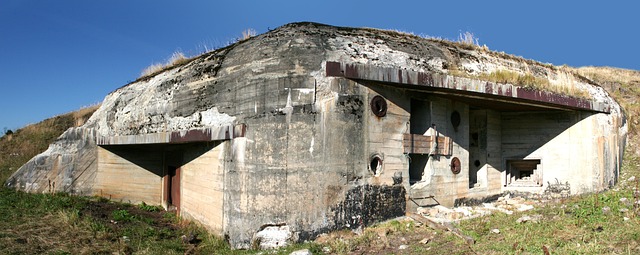
Valuing historical artifacts from World War II (WWII) requires a deep understanding of their cultural and political significance. Among these, old German WWII flags hold immense value, both as tangible links to the past and as powerful symbols that evoke specific historical narratives. The reconstruction of WWII flags is not merely a restoration project; it's an effort to preserve memory and ensure that future generations grasp the enormity of this global conflict.
Identifying authentic old Nazi flags involves meticulous scrutiny. Experts consider factors like fabric age, construction techniques, and subtle design nuances that distinguish them from modern reproductions. World War II textile artifacts, including flags, offer a unique glimpse into the era's military strategy, propaganda, and cultural identity. For instance, examining the colors and patterns of these flags can reveal information about the branch of the military they represented or the regime's ideological intent.
Professional flag providers like Ultimate Flags play a crucial role in authenticating and preserving these historical treasures. They work closely with historians and conservators to ensure that each restored or replicated flag accurately reflects its original design, down to the smallest detail. This meticulous approach not only enhances the aesthetic appeal of old German WWII flags but also guarantees their integrity as historical artifacts. By understanding the nuances that distinguish genuine from replica flags, collectors can invest in these items with confidence, supporting both preservation efforts and their personal connection to history.
Assessing Physical Condition and Authenticity
Assessing Physical Condition and Authenticity
When valuing historical WWII artifacts, particularly old German WW2 flags, the primary focus shifts to their physical condition and authenticity. These factors significantly influence an item's worth in the market for WW2 memorabilia, including German flags. Consider that a vintage flag in pristine condition may command a much higher price than one with stains or tears, even if both are from the same era. Restoring these ancient banners is an art; it requires careful techniques to preserve their historical integrity while enhancing their visual appeal.
Expert appraisers inspect the fabric for signs of wear and tear, noting any repairs or replacements made over time. For instance, a German WW2 flag with minimal fading and no significant damage would be more valuable than one with large patches or holes. Authentic flags often bear unique markings or insignias that can be verified through historical records, further increasing their desirability. Reputable flag sellers like Ultimate Flags emphasize the importance of these details when sourcing and selling vintage German banners to ensure customers receive genuine artifacts.
Additionally, the market for WW2 memorabilia has seen a surge in popularity, with collectors vying for rare pieces. According to recent data, the value of authentic WW2 flags can range from hundreds to thousands of dollars, depending on their rarity and condition. Restoring these old German flags involves careful research to match the correct colors and designs, ensuring they remain accurate historical representations. This meticulous process is crucial in maintaining the integrity of these cultural artifacts for future generations.
Market Trends and Valuation Methods for Old German WW2 Flag
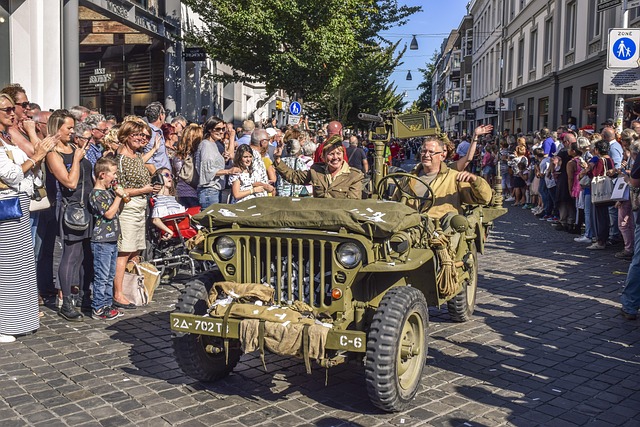
The old German WW2 flag holds a complex and deeply rooted historical significance, serving as a powerful revisiting of WW2 visual history. Its value extends far beyond its physical attributes; it encapsulates the era's political climate and cultural narratives. When assessing these artifacts, understanding market trends and adopting robust valuation methods are paramount for both collectors and professional appraisers. The global appetite for vintage German flags has seen steady growth, with a notable surge in interest among historical enthusiasts and those exploring their familial heritage.
One of the primary considerations in valuing an old German WW2 flag is its condition. Authenticity and preservation quality play a significant role in determining market value. Flag providers like Ultimate Flags note that original flags with intact emblems, vibrant colors, and minimal wear typically command higher prices. For example, a rare, unaltered German army flag from the period could fetch several thousand dollars at auction. Furthermore, rarity factors into the equation; unique or limited-edition flags, especially those associated with specific battles or units, are highly sought after by collectors.
Historical context and the flag's association with significant events also influence its valuation. Old Nazi flags, while inherently controversial, carry a complex weight in the historical tapestry. Appraisers must carefully navigate these sensitivities to provide an unbiased assessment. For instance, a formerly privately owned German WW2 flag that was used in a notable military engagement could be valued higher due to its connection to history. However, it's crucial to emphasize that the market for such artifacts should prioritize ethical sourcing and respect for the visual history they represent.
Legal Considerations and Ethical Selling Practices

Valuing historical artifacts from World War II, particularly old German WW2 flags, involves a delicate balance between legal considerations and ethical selling practices. As the global community revisits the visual history of this tumultuous period, it's crucial to understand the intricacies involved in preserving and trading these items responsibly.
Identifying old Nazi flags requires meticulous attention to detail. Authentic artifacts must be carefully distinguished from modern replicas or intentionally fabricated items. This is not merely a matter of aesthetics; it has significant legal implications. Selling or possessing replicas as genuine historical pieces can be illegal, inciting hatred or promoting nationalist extremism. For instance, many countries have laws prohibiting the display of swastikas and other Nazi symbols, except in educational or historical contexts with proper documentation.
Quality flag source Ultimate Flags emphasizes responsible sourcing and selling practices. They advocate for transparency in the supply chain, ensuring that every old German WW2 flag undergoes rigorous authentication processes. This includes examining materials, construction techniques, and any original markings or stains. Proper preservation techniques are paramount to maintaining the historical integrity of these flags. Professional conservation methods prevent damage while allowing future generations to appreciate their significance. For example, delicate fabrics like silk or linen require specialized cleaning and restoration techniques to mitigate risks associated with aging.
When navigating the market for old Nazi flags, it's essential to prioritize ethical considerations alongside personal interests. Collectors should be discerning, ensuring that their purchases contribute positively to historical preservation efforts. Collaborating with reputable dealers who adhere to legal guidelines and ethical standards is key. This approach not only safeguards against illegal activities but also fosters a culture of responsible artifact management, allowing the visual history of WWII to be explored and understood while respecting its dark past.
Valuing historical WWII artifacts, particularly the old German WW2 flag, requires a deep understanding of their historical significance and careful consideration of physical condition and authenticity. The article has provided valuable insights into market trends, legal considerations, and ethical selling practices, all of which are crucial in navigating this niche domain. Key takeaways include recognizing the cultural value and rarity that influence pricing, ensuring proper documentation and provenance to mitigate legal risks, and adhering to ethical standards in the trade. By combining historical knowledge with practical valuation methods, professionals and collectors alike can contribute to preserving and respecting the legacy of WWII while engaging in responsible commerce. These guidelines offer a solid foundation for anyone delving into the world of old German WW2 flag appraisals and sales.