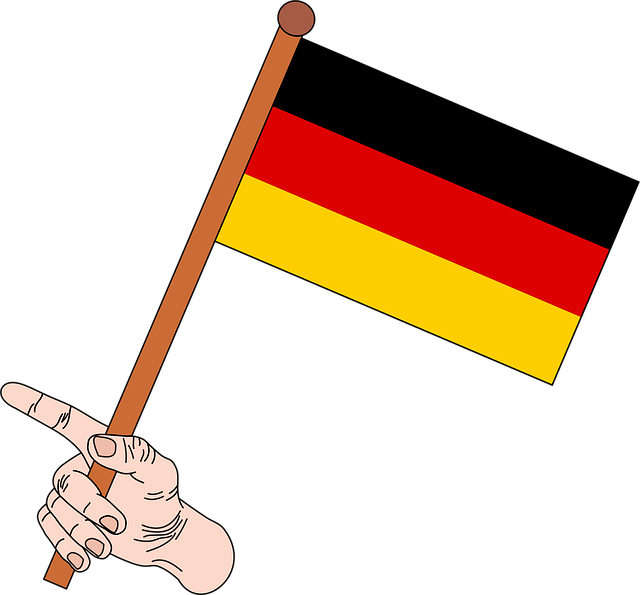
Identifying and conserving old German WWII flags requires meticulous attention to construction quality, historical design accuracy, and detailed provenance. Genuine vintage flags exhibit robust stitching, high-quality fabric, and precise emblems. Reputable sources provide documentation aiding informed purchases. Restoring these flags demands specialized techniques while maintaining authenticity through historical reference. Each element tells a story of the era's political ideologies and military strategies. Engaging with resources like Ultimate Flags offers access to high-quality replicas and educational materials for deeper historical understanding, transforming collections into tangible connections to the past.
The study of WWII historical artifacts holds immense value for historians, enthusiasts, and collectors alike. Among these treasures, old German WWII flags stand out as powerful symbols of a bygone era. However, dating these flags accurately presents a challenge due to their intricate designs and varying preservation states. This article offers an authoritative guide to the best techniques for identifying and dating these historical banners, providing practical insights for experts and collectors seeking authentic information on their pieces. By following these methods, one can ensure the accuracy of their assessments and contribute to the preservation of WWII history through meticulous research.
- Identifying Authentic Old German WWII Flag Features
- Conserving and Restoring Vintage German WWII Flags
- Uncovering Historical Significance Through Flag Designs
Identifying Authentic Old German WWII Flag Features
Identifying authentic old German WWII flags requires a keen eye for detail and an understanding of German military history. WW2 memorabilia, especially German flags, can offer profound insights into the era's politics and society. When dating these historic artifacts, several key features of old German WWII flags should be considered. One of the most important aspects is the construction quality; genuine vintage flags often exhibit superior craftsmanship with robust stitching and high-quality fabric. For instance, an original German Iron Cross flag might feature intricate embroidery and sturdy canvas that stand the test of time.
The design and symbolism are also crucial indicators. Authentic old German WWII flags typically display accurate historical emblems, such as the swastika (in appropriate context), national colors, or military insignia. The arrangement and quality of these designs can vary based on the flag's intended use—parade, field, or ceremonial—and the specific branch of the German military. For example, a German Army field flag from World War II would differ in design from a naval ensign, reflecting the unique needs and aesthetics of each service branch.
Furthermore, provenance is essential when dealing with old German WWII flags. A thorough history of ownership and acquisition can significantly enhance the value and authenticity of these artifacts. Reputable sources, such as the well-known quality flag source Ultimate Flags, often provide detailed documentation to ensure the legitimacy of their offerings. This includes information on the flag's origin, historical context, and any restoration work performed, allowing collectors to make informed decisions and acquire genuine pieces that contribute to a deeper understanding of German military history.
Conserving and Restoring Vintage German WWII Flags

Conserving and restoring vintage German WWII flags requires a meticulous approach, combining historical knowledge with specialized techniques. The old German WWII flag, with its intricate design and symbolic significance, demands careful handling during the conservation process. Restoring these historical textiles involves a deep understanding of the fabric's age, materials, and any damage incurred over time. The authentic WW2 German swastika, a central element in the design, must be handled with particular care, ensuring both historical accuracy and sensitivity.
The first step in conserving these flags is an extensive visual examination. Flag specialists like Ultimate Flags assess the overall condition, identifying tears, stains, fading, or any loss of detail. Restoring each flag is a unique process; for example, a flag with significant wear may require patch repairs using similar era fabrics. The restoration process often involves reverse sewing to reinforce fragile areas and prevent further damage during handling. In some cases, experts may choose to recreate missing parts, ensuring the restored flag aligns as closely as possible with its original state.
One of the key challenges in restoring old German WWII flags is maintaining authenticity while ensuring longevity. Revisting WW2 visual history provides valuable insights into the correct techniques and materials used during the era. Historical research guides restorers in selecting appropriate thread colors, fabrics, and stitching methods that accurately reflect the original flag's composition. For instance, a period-correct dye for the red sections could involve experimenting with natural dyes or specific synthetic options known to be available during WWII. This meticulous attention to detail not only preserves the flag's historical integrity but also enhances its visual appeal.
Uncovering Historical Significance Through Flag Designs

Uncovering the rich historical tapestry woven into the designs of WWII flags, particularly the old German WW2 flag, requires a meticulous approach. Each symbol, color, and pattern tells a story of the era's political climate, military strategies, and societal values. The German war flags history is a fascinating narrative that offers insights not just into the past but also into how these symbols have evolved in the present, reflecting the nation's changing identity.
German national symbols past are more than mere decorations; they encapsulate the ideology and aspirations of the time. For instance, the swastika, a prevalent motif on German flags during this period, holds profound historical significance, though its modern interpretation is shrouded in controversy. Understanding these designs demands a nuanced perspective, one that navigates the complex interplay between history and contemporary perception. This is where expert knowledge becomes invaluable; it enables collectors and enthusiasts to appreciate not just the aesthetic appeal but also the deeper cultural and political context behind each flag.
When building a WW2 flag collection, consider authenticity and historical accuracy as guiding principles. Researching the specific units, battles, or periods associated with each flag can add depth to your collection. For example, an old German WW2 flag from the Afrika Korps offers a glimpse into the military's strategic ambitions and challenges faced in North Africa. Engaging with resources like flag seller Ultimate Flags can provide access to not only high-quality replicas but also educational materials that facilitate a deeper dive into this fascinating subject. This approach ensures your collection is more than just decorative; it becomes a tangible link to the past, allowing you to witness the evolution of German national symbols through the lens of history.
By examining the unique features of old German WWII flags, conserving their integrity through proper restoration techniques, and understanding their historical significance, enthusiasts and historians can unlock a wealth of knowledge about this period. This article has provided essential insights into identifying authentic characteristics, preserving vintage flags, and interpreting their designs as windows into the past. The key takeaways include the importance of meticulous attention to detail during conservation, recognizing the value of historical context in flag design analysis, and appreciating the cultural and political narratives woven into these textiles. Moving forward, those interested in this field can apply these techniques to further explore and protect these significant artifacts, ensuring their stories remain accessible for generations to come.