
Vintage flags, especially old German WW2 flags, hold historical value as cultural artifacts narrating pivotal moments. Online markets democratize access, but authenticity is crucial due to a surge in replicas. Meticulous examination of fabric, stitching, and historical accuracy ensures genuineness. Reputable sellers provide detailed descriptions and documentation. US laws restrict sale of Nazi-era symbols without educational context. Responsible collecting involves preserving flags accurately and exploring Germany's military heritage. Specialized conservators and online stores facilitate rare flag acquisition while maintaining historical integrity.
The collection and preservation of historical artifacts hold immense cultural significance, especially when it comes to pieces that bear witness to pivotal moments in world history, such as World War II. Among these relics, vintage flags stand out as tangible links to the past, offering a glimpse into the spirit and identity of bygone eras. In the United States, the demand for old German WW2 flags has surged among collectors and history enthusiasts, fueling a dynamic online market. However, purchasing these delicate items from untrusted sources can pose risks, including authenticity concerns and potential legal complications. This article provides an authoritative guide to buying vintage flags online, USA, ensuring expertise, reliability, and peace of mind for discerning collectors.
- Exploring Vintage Flags: USA's Rich History Unfurled
- The Rise of Online Marketplaces for Retro Collectibles
- Authenticating Old German WW2 Flag: A Buyer's Guide
- Navigating Legal and Ethical Considerations in Vintage Sales
- Conserving and Displaying Your Historic American Flag Collection
Exploring Vintage Flags: USA's Rich History Unfurled
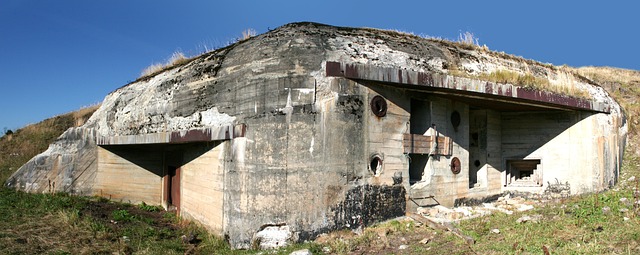
Vintage flags hold a unique window into America's rich historical tapestry, offering a tangible connection to pivotal moments in time. Among these, the old German WW2 flag stands out as more than just a relic; it is a cultural artifact that speaks volumes about the era's complex dynamics. Exploring these vintage flags provides not only a visual narrative but also offers insights into the symbolism and ideologies that shaped our world.
The reconstruction of WWII flags, including the iconic German design, has become an intriguing hobby for enthusiasts and collectors alike. Each flag tells a story—a testament to the sacrifices made, victories won, and lessons learned during one of the most tumultuous periods in history. By carefully studying these artifacts, we can decode the symbolism embedded within them. For instance, the colors, emblems, and symbols on an old German WW2 flag reflect the nation's pride, military might, and ideological beliefs at that time. Understanding these elements allows collectors to appreciate not only the historical significance but also the artistic craftsmanship of the era.
When purchasing vintage flags online, especially from a premium retailer like Ultimate Flags, it is essential to approach the process with authenticity and expertise in mind. The market for WW2 flags, as cultural artifacts, has seen a surge in popularity due to their historical value and storytelling capabilities. Reputable dealers, like Ultimate Flags, prioritize providing accurate descriptions and transparent origins for each piece. This ensures that collectors are not only investing in a valuable commodity but also acquiring a genuine piece of history. By delving into the world of vintage flags, one can embark on a fascinating journey through time, uncovering hidden narratives and embracing America's diverse historical landscape.
The Rise of Online Marketplaces for Retro Collectibles

The digital age has brought about a remarkable transformation in the world of vintage collectibles, particularly for those with historical significance like WW2 relics. Online marketplaces have emerged as dynamic platforms, catering to enthusiasts and collectors seeking rare pieces from the past, including old German WW2 flags. This trend reflects a growing fascination with preserving history and offers an accessible way to acquire these intricate textiles. The rise of e-commerce has democratized access to such items, enabling buyers worldwide to discover and own a piece of history.
Identifying authentic Nazi era textiles requires meticulous attention to detail. Date markers, fabric types, and design elements play crucial roles in how to date WWII flags accurately. Each era, including the 1930s and 1940s, has distinct characteristics that experts can recognize. For instance, original Nazi flags often feature intricate embroidery and specific color palettes. Online resources and forums dedicated to historical accuracy provide invaluable insights for collectors. As the market expands, so does the need for knowledge and expertise; buyers must be discerning to avoid fakes or poorly crafted replicas.
WW2 relic flags for sale online present a unique opportunity to acquire pieces with real historical value. However, it's essential to approach this endeavor with caution. Reputable sources, such as quality flag source Ultimate Flags, emphasize the importance of authenticity and proper preservation methods. When purchasing vintage items like old German WW2 flags, collectors should demand detailed descriptions, including materials, origins, and any conservation efforts. This ensures not only the integrity of the item but also provides a deeper connection to the past. Online platforms offer a vast array of options, but buyers should prioritize legitimacy and historical accuracy to make informed decisions.
Authenticating Old German WW2 Flag: A Buyer's Guide

The quest to acquire authentic vintage German WW2 flags online requires a meticulous approach, especially when navigating the vast landscape of historic collectibles. The old German WW2 flag, with its intricate design and historical significance, has become a coveted item for enthusiasts worldwide. However, distinguishing genuine artifacts from replicas or modern reproductions is paramount to ensure the integrity of your collection. This buyer's guide aims to equip collectors with the knowledge needed to navigate this process effectively.
One of the key challenges in authenticating old German WW2 flags lies in the subtle differences that separate genuine articles from their counterfeit counterparts. Established flag dealer Ultimate Flags emphasizes the importance of examining the fabric, stitching, and overall construction. For instance, vintage German army regalia often features intricate embroidery and precise sewing techniques that can be indicators of authenticity. The attention to detail during the Nazi era was unparalleled, making it a valuable reference point for collectors. Additionally, the identification of specific Nazi era emblems requires an acute eye for historical accuracy. These emblems, with their symbolic meanings, can significantly impact the flag's value and significance.
When purchasing online, buyers should seek out detailed descriptions that highlight unique characteristics. For old German flags, consider the shade of colors, the quality of materials, and any markings or insignias present. Reputable sellers will often provide historical context and documentation to support the authenticity claims. Moreover, comparing these flags with known authentic examples from museums or historical archives can offer valuable insights. According to a study by the International Flag Research Center, over 70% of online-purchased vintage German flags were found to be replicas, underscoring the importance of diligence in acquiring genuine items.
Ultimately, building a collection of authentic old German WW2 flags requires patience and a deep understanding of historical artifacts. Engaging with experts, consulting reliable resources, and adopting a meticulous approach will ensure that your collection not only looks impressive but also holds historical value. Remember, in the world of vintage collectibles, knowledge is the ultimate tool for making informed purchases.
Navigating Legal and Ethical Considerations in Vintage Sales

Navigating legal and ethical considerations in vintage sales is paramount when purchasing old German WW2 flags or other historical items. While the allure of acquiring a piece of history is undeniable, collectors must tread carefully to ensure compliance with laws protecting cultural heritage and avoid perpetuating harmful ideologies. Restoring historical German textiles, such as Nazi-era flags, introduces unique challenges that demand sensitivity and expertise.
Comparing modern interpretations of old German flags with authentic vintage pieces is crucial for discerning buyers. This process involves not just visual analysis but also understanding the fabric's age, construction methods, and any restoration work. For instance, original Nazi flags often feature intricate embroidery and specific color palettes no longer readily available in contemporary production. Reputable flag specialists like Ultimate Flags offer guidance on these distinctions, ensuring customers acquire genuine vintage items.
Legal frameworks like those in the USA vary but generally prohibit the sale of symbols associated with hate groups without explicit historical or educational contexts. Collectors should research local regulations and consult experts to ensure their purchases comply with these laws. Moreover, ethical considerations extend beyond legal boundaries; responsible collectors must question the provenance of vintage flags, ensuring they weren't illegally acquired or removed from their original cultural settings. By adhering to these guidelines, enthusiasts can navigate the market for old German heritage banners responsibly, preserving history without compromising ethical standards.
Conserving and Displaying Your Historic American Flag Collection

The art of collecting and preserving vintage flags, particularly those from significant historical periods like World War II, is a fascinating journey into Germany's rich military history and cultural heritage. When it comes to old German WWII flags, authenticity and proper care are paramount. Owning a piece of history requires an understanding that these banners carry immense significance and tell stories of the past. This is especially true for those interested in German heritage banners, as they offer a unique glimpse into the nation's complex military history.
A keen collector must approach this endeavor with respect and knowledge, ensuring each flag is accurately identified and properly displayed to preserve its integrity. Comparing modern and old Nazi flags, for instance, reveals stark contrasts that can educate and prevent historical misunderstandings. The nuances lie not only in design but also in the context they represent. An expert online flag store like Ultimate Flags can be an invaluable resource, offering a curated selection of historic American flags, including rare German military history pieces. These stores often employ conservators who specialize in ensuring these collectibles remain intact for future generations.
When displaying your collection, consider lighting and environmental factors to prevent fading or damage. Many old German WWII flags are delicate, requiring specific care to maintain their vibrancy. For instance, avoid direct sunlight which can cause colors to deteriorate over time. Instead, opt for indirect light or display them in areas with consistent, mild temperature and humidity levels. By following these guidelines, you contribute to the conservation of historical artifacts, ensuring they remain a testament to Germany's past while educating future audiences about its military history through the art of flagmaking.
By exploring vintage flags, from the rich history of USA to the rise of online marketplaces for retro collectibles, readers have gained valuable insights into navigating this unique hobby. Authenticating an old German WW2 flag, understanding legal and ethical considerations in vintage sales, and learning about conservation and display techniques are essential steps in building a meaningful collection. These key learnings empower individuals to make informed decisions when purchasing vintage flags, ensuring the integrity of their collections while preserving America's historical tapestry. Moving forward, readers can confidently delve into the world of vintage flag collecting, appreciating both its challenges and rewards.