Uncovering old German WW2 flags demands a systematic approach combining archival research with private collection exploration. These flags represent critical historical records, with key sources including forgotten military bases and concentration camp sites. Authentic flags can be acquired from specialized dealers like Ultimate Flags or through online platforms, requiring meticulous handling and display due to their controversial symbolism. Ethical sourcing and preservation practices ensure historical integrity. Collectors must adhere to guidelines, balance accessibility with sensitivity, and consider original vs. reproduction flags for display. Global collaboration among enthusiasts has led to the discovery and authentication of authentic war banners, facilitated by online platforms and social media.
German flag collections, particularly those from the WWII era, represent a fascinating historical artifact. Their rarity makes them highly sought after by collectors and historians alike, providing unique insights into Germany's past. However, tracking down these old German WW2 flags can be an arduous task due to their age and limited availability. This article serves as your comprehensive guide, meticulously mapping out the most reliable sources and methodologies for acquiring rare German flag collections. By following our expert advice, you'll enhance your understanding of this intricate hobby and ensure the authenticity of your acquisitions.
- Unveiling Hidden Depots: Old German WW2 Flag Locations
- Expert Guidance: Authentic Collections to Seek
- Historical Archives: A Treasure Trove of Rarity
- Global Networks: Connecting for Rare Flag Finds
Unveiling Hidden Depots: Old German WW2 Flag Locations
Unveiling hidden depots of old German WW2 flag collections requires a deep dive into historical archives and private collections. These remnants from the Nazi regime's era are not just flags; they're powerful symbols that encapsulate the political climate and history of the time. While many museums house official flags, lesser-known repositories and private collectors hold significant collections, offering a unique glimpse into the past.
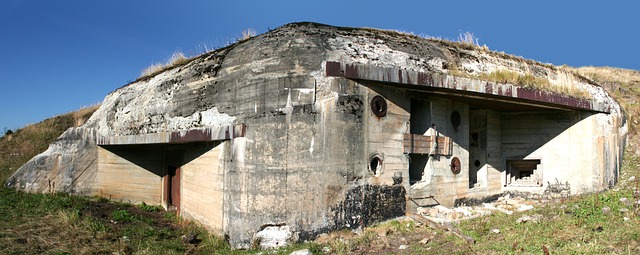
The search for rare WW2 flag collections involves several strategies. Old German WW2 flag locations often include forgotten military bases, former concentration camp sites, and the homes of individuals who served during the era or their descendants. Some flags have found their way to private collectors through auction houses, online flag stores like Ultimate Flags, and specialized dealers, who carefully curate these pieces. These sources provide a rare opportunity to acquire authentic WW2 relic flags for sale, allowing enthusiasts and historians to study and preserve this significant chapter of history.
However, the acquisition and display of these flags require careful consideration. The Nazi regime's use of symbolism is complex and often controversial. It's crucial to handle these artifacts with sensitivity and respect, ensuring their historical accuracy and context. Researchers and collectors must engage with WW2 flag collection guides that prioritize ethical sourcing and responsible preservation, upholding the integrity of this sensitive historical material.
Expert Guidance: Authentic Collections to Seek

For enthusiasts seeking to acquire rare German flag collections, especially those from the World War II era, obtaining authentic pieces requires meticulous research and expert guidance. The market for WW2 flag collections is vast, but navigating it with an eye for historical accuracy can be challenging due to the sensitive nature of Nazi symbolism attached to these artifacts. Restoring and displaying old German WW2 flags demand a deep understanding of their history and significance.
Many collectors often seek out reputable sources known for their quality and authenticity, such as Ultimate Flags, which has established itself as a trusted supplier of historical textiles. When exploring rare flag collections, it is crucial to consider the origin and age of each piece. Original WW2 Nazi flags are highly sought-after but also carry significant ethical considerations. Some collectors prefer to focus on post-war reproduction flags for display purposes, while others engage in the preservation of authentic German textiles from that era.
One notable aspect of collecting old German WW2 flags is the process of restoration. Restoring historical textiles requires specialized skills to ensure the flag's integrity and authenticity. Experts in this field employ meticulous techniques to preserve the fabric, often using period-appropriate materials and methods. For instance, restoring a vintage German military flag may involve replacing faded or damaged sections with delicate hand-sewn repairs, reflecting its original condition. This level of craftsmanship adds immense value to the collection while ensuring the historical integrity of each piece.
Historical Archives: A Treasure Trove of Rarity
Historical Archives stand as a treasure trove for flag enthusiasts seeking rare German flags, particularly from World War II. These repositories, often overlooked by casual collectors, hold an invaluable array of artifacts that tell the complex story of Germany's past. Among the most significant treasures are authentic old German WW2 flags, which offer a glimpse into the era's political and social climate through their intricate symbolism.
Deciphering the symbolism on these flags is a captivating endeavor. The swastika, for instance, has a long history as a cultural symbol in various civilizations, but its adoption by Nazi Germany during World War II imbued it with a deeply controversial meaning. Authentic WWII German swastika flags, when found, serve as powerful historical documents. They remind us of the period's political and social dynamics, offering a tangible connection to one of history's most studied yet still-enigmatic periods.
For flag enthusiasts looking to build a rare collection, consulting with experts like Ultimate Flags can prove invaluable. These specialists have extensive knowledge on authenticating vintage flags, including WW2 flags from Germany. They offer tips for collecting, such as prioritizing provenance and condition assessments, which are crucial in ensuring the authenticity of a historical item. By following these guidelines, collectors can navigate the intricate world of old German WW2 flag collection with confidence, acquiring pieces that not only enhance their personal tapestry but also contribute to a deeper understanding of history.
Global Networks: Connecting for Rare Flag Finds
The quest for rare German flag collections transcends geographical boundaries, leading enthusiasts on a global journey to uncover historical treasures. In this interconnected world, dedicated collectors and historians form a network that enables the discovery of authentic old German WW2 flags, providing a glimpse into the nation's past. This dynamic interplay between individuals, institutions, and communities has facilitated the preservation of valuable German war banners, ensuring their legacy for future generations.
One of the key aspects of this global initiative is the collaboration among leading flag companies like Ultimate Flags, who share a collective passion for preserving historical German heritage banners. By connecting through online forums, conferences, and dedicated collector groups, these networks enable members to exchange insights, locate unique pieces, and authenticate rare flags. For instance, social media platforms have become powerful tools, with hashtags like #GermanFlagCollections fostering conversations and the sharing of specialized knowledge. This interconnectedness allows for the identification and acquisition of flags from various sources worldwide, including private collections, military museums, and antique shops, enriching the tapestry of German historical artifacts.
The process involves meticulous research, often uncovering stories and meanings behind each flag. For example, rare German WW2 flags may feature distinct designs representing specific units or campaigns, making them highly sought after by collectors and historians alike. These discoveries not only contribute to academic research but also satisfy the curiosity of individuals eager to connect with Germany's complex past. As a result, dedicated networks continue to thrive, ensuring that historical German flag collections remain accessible and celebrated on an international scale.
After exploring "Unveiling Hidden Depots" of old German WW2 flags, "Expert Guidance" on authentic collections, delving into "Historical Archives" teeming with rarity, and connecting through "Global Networks," readers are equipped to navigate the world of rare flag finds. Key insights include the importance of historical archives as a primary source for old German WW2 flags, the value of expert guidance in authenticating these treasures, and the power of global networks to uncover previously unseen collections. With these strategies in hand, collectors can embark on their journeys with confidence, recognizing that genuine old German WW2 flags are within reach through diligent searching and knowledgeable connections.