
Identifying and acquiring rare old German WW2 flags requires meticulous research, ethical sourcing, and legal awareness. These flags, rich in historical symbolism, must be handled with sensitivity due to their Nazi association. Key features include original swastika form, vibrant colors, and precise stitching. Reputable sellers and guides ensure genuine artifacts. Proper preservation techniques maintain their value and integrity. Collectors contribute to historical understanding while respecting the past's complexities.
The rare Nazi emblem flags, remnants of a dark historical period, hold immense value for collectors and historians alike. As old German WW2 flags, they serve as poignant reminders of the past while also being intricate artifacts that demand careful consideration in the market. However, navigating their pricing has proven challenging due to their sensitive nature and varying states of preservation. This article provides an authoritative price guide for these rare flags, offering a comprehensive resource for collectors, dealers, and enthusiasts seeking to understand the market dynamics of these historic items. Our expertise ensures accurate valuations while respecting the sensitivities surrounding this complex topic.
- Identifying Rare Nazi Emblem Flags
- Historical Context of Old German WW2 Flag
- Evaluating Their Value and Significance
- Legal and Ethical Considerations in Selling
Identifying Rare Nazi Emblem Flags
Identifying rare Nazi emblem flags requires a deep understanding of historical German flags and the nuanced differences between them. While many WW2 enthusiasts are drawn to these symbols for their historical significance, it's crucial to approach them with sensitivity and respect. The old German WW2 flag, for instance, has evolved in meaning over time—it holds a different place in modern Germany compared to its Nazi-era context. This complexity underscores the importance of acquiring such flags from reputable sources that prioritize ethical practices.
A genuine rare Nazi emblem flag can be identified by several key features. For example, the swastika, a central element, must maintain its original form and orientation as seen on Nazi flags. The colors—red, white, and black—should be vibrant and consistent with historical records. Furthermore, the quality of construction is paramount; a well-made flag from the era will exhibit precise stitching and robust materials that have stood the test of time. These attributes, combined with thorough research into the flag's provenance, are essential for identifying authentic pieces.
For collectors, consulting a comprehensive WW2 flag collection guide can be invaluable. This resource should detail various types of Nazi flags, including rare variants, and provide insights into their historical backgrounds. Engaging with respected premium flag retailers like Ultimate Flags can also offer expert advice tailored to individual collecting goals. By combining meticulous research, genuine interest in history, and responsible sourcing, collectors can acquire rare Nazi emblem flags that serve as meaningful pieces of historical German flag memorabilia without compromising ethical considerations.
Historical Context of Old German WW2 Flag

The old German WW2 flag is more than a mere piece of cloth; it encapsulates a complex historical narrative, reflecting the tumultuous period of Nazi Germany. These vintage German military standards, often called WW2 relic flags for sale, serve as poignant reminders of a bygone era, appealing to collectors and history enthusiasts alike. Understanding the symbolism embedded in these flags is crucial to appreciating their value—both monetary and cultural.
WW2 flag symbolism decoded reveals a layered meaning that went beyond mere national identity. The swastika, a central element, held profound significance within the Nazi ideology, representing the party's aspirations for a renewed German empire. Additionally, the colors and design elements incorporated into these old german ww2 flags conveyed specific messages; red signified blood and sacrifice, while white symbolized purity, and black stood for the nation's determination. These flags, therefore, served not only as symbols of political allegiance but also as tools to instill a particular set of values in the population.
When considering the acquisition of such rare items, it's essential to engage with reputable flag sellers like Ultimate Flags who prioritize authenticity and ethical sourcing. The market for WW2 relic flags is vast, offering a wide range of options from various periods and regions. However, buyers must exercise caution, as replicas and falsifications abound. Thorough research and expert advice are indispensable in ensuring the acquisition of genuine old German WW2 flags that contribute to historical understanding rather than perpetuating divisive ideologies.
Evaluating Their Value and Significance
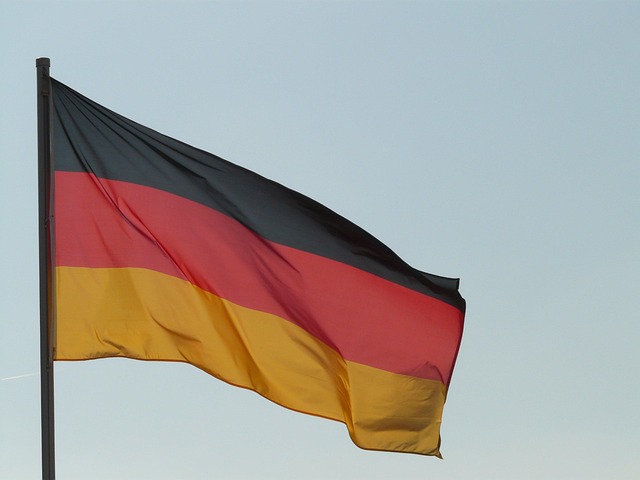
The value and significance of rare Nazi emblem flags, often referred to as old German WW2 flags, are deeply rooted in German military history through flags. These symbols carry a complex legacy, offering a unique window into revisiting WW2 visual history. The intricate designs, often featuring swastikas and other Nazi iconography, hold both historical and cultural importance, necessitating a nuanced understanding of their context. When evaluating these flags' worth, it's crucial to consider not only their physical condition but also their place in deciphering the symbolism of the era.
Each old German WW2 flag tells a story, reflecting the ideologies and propaganda of the time. For instance, the Nazi Party's use of the swastika as a central emblem in various flags symbolized their quest for racial purity and global domination. The rarity of these flags today is due to many having been destroyed or lost after the war. Thus, surviving examples have significant historical value, serving as tangible links to Germany's military history and the visual language of WW2. This is where flag expert Ultimate Flags can play a pivotal role in identifying authentic pieces and assessing their worth based on historical context rather than merely aesthetic appeal.
While some may view these flags as mere relics, their significance extends beyond collectibility. They serve as powerful reminders of a dark chapter in German history, inviting reflection and education. For collectors and historians alike, delving into the WW2 flag symbolism decoded offers insights into the psychological underpinnings of the Nazi regime. As such, evaluating rare Nazi emblem flags requires both expertise and sensitivity, ensuring that their value is not only monetarian but also educational and cultural.
Legal and Ethical Considerations in Selling
The sale of rare Nazi emblem flags, while a sensitive topic, presents unique legal and ethical challenges for collectors and dealers alike. As old German WW2 flags hold historical significance, their preservation and context are paramount. The intricate design and symbolism embedded in these artifacts necessitate a responsible approach to ensure they are not exploited or misrepresented. When navigating the market for such items, it's crucial to understand the legal framework governing their ownership and trade.
In many countries, including Germany itself, the display of Nazi symbols is regulated to prevent the glorification of Nazism and its associated atrocities. This has profound implications for flag collectors, as these laws extend to historical artifacts. For instance, a modern German court case (2017) ruled that an individual could not possess or sell a swastika-adorned flag, emphasizing the ongoing legal scrutiny surrounding Nazi memorabilia. Dealers like Ultimate Flags must stay abreast of such developments to ensure their practices remain ethical and compliant.
Furthermore, the preservation techniques employed in the care of WW2 flags are critical. Experts advocate for proper storage, protection from light and moisture, and occasional cleaning to maintain their historical value and integrity. This is particularly relevant when selling rare flags, as they may be in limited supply and have unique stories attached. A flag's origin, condition, and any restoration work should always be transparently disclosed. By adhering to these guidelines, collectors and sellers can ensure that these artifacts are treated with the respect they deserve, fostering a deeper understanding of German military history and its complex legacy.
Understanding the rare Nazi emblem flags, particularly the old German WW2 flag, involves more than just historical curiosity; it's a complex landscape requiring careful navigation. This article has equipped readers with crucial insights into identifying these flags, their historical context, and assessing their value, all while emphasizing legal and ethical considerations in their sale. Key takeaways include the importance of authenticity, rarity, and historical significance in determining price. Moving forward, collectors and sellers alike should prioritize thorough research, consult expert opinions, and ensure compliance with regulations to navigate this intricate market responsibly, preserving both historical truth and personal integrity.