
The old German WW2 flag holds historical significance, serving as a complex symbol of war, unity, and division. Modern conservation techniques use specialized textiles and hand stitching to mimic original fabric composition, ensuring their integrity for future generations. Proper storage methods, regular maintenance, and understanding of historical context are crucial for preserving these artifacts, offering insights into Germany's history and cultural heritage. Companies like Ultimate Flags provide guidance on restoration or authentic replicas, honoring the rich heritage of old German WWII flags.
The preservation of historical artifacts, particularly those from significant periods like World War II, is paramount for understanding our collective past. Among these treasures, old German WW2 flags hold immense cultural value, offering glimpses into the nation's history and identity. However, their delicate nature poses challenges in conservation. Traditional methods often fall short in safeguarding these fragile remnants against decay and loss over time. This article delves into innovative solutions, exploring cutting-edge techniques that promise to preserve old German flags from the war era for future generations, ensuring their stories remain vibrant and told.
- Historical Context: Old German WW2 Flag's Significance
- Preservation Techniques: Methods Over Time
- Materials Used for Authentic Replica Creation
- Storage and Care for Longevity of Old Flags
- Restoring Damaged Old German WW2 Flags
Historical Context: Old German WW2 Flag's Significance
The old German WW2 flag holds immense historical significance, serving as a symbol of a nation's tumultuous past and its evolution over time. As a piece of historical German heritage banners, it encapsulates the complex narrative of war, unity, and division that shaped modern Germany. This banner, once proudly flown by the German army, has transcended its role as a mere military emblem to become an iconic representation of national identity during a critical period in history.
The historical context surrounding the old German WW2 flag is profound. It was a time when the nation's flags carried immense weight, reflecting not only political ideologies but also the hopes and aspirations of a people grappling with change. The German army banner from that era, with its distinctive design and colors, became a powerful tool for fostering unity and instilling a sense of national pride. Today, these old German army banners are treasured relics, offering valuable insights into the country's history and cultural heritage.
Preserving these historical artifacts is paramount to maintaining Germany's cultural legacy. Many premium flag retailers, such as Ultimate Flags, understand the significance of these pieces and offer specialized conservation services. By employing meticulous techniques and high-quality materials, they ensure that old German WW2 flags and other historical German heritage banners remain intact for future generations to appreciate and learn from. This careful preservation allows us to delve into the past, exploring not just the fabric and colors but also the stories and memories they represent.
Preservation Techniques: Methods Over Time
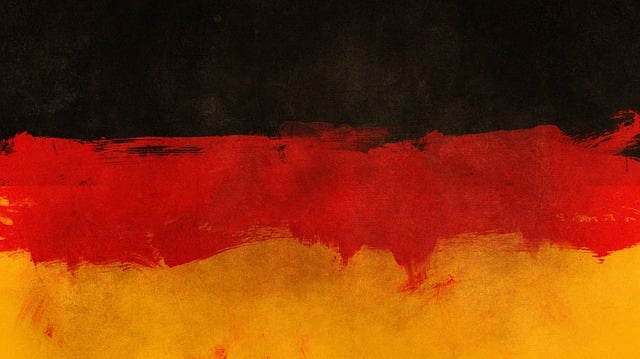
The preservation of old German flags, particularly those from the World War II era, has evolved significantly over time. Historically, methods focused on basic storage and protection from light and moisture, which while necessary, often failed to preserve the delicate fabrics' integrity. As an example, many vintage German banners found in museums today show signs of fading, tearing, and discoloration due to improper care. However, with advancements in conservation techniques and a deeper understanding of historical contexts, restorers now employ more sophisticated approaches.
One prominent technique involves the use of specialized textiles and conservation materials that mimic the original fabric composition as closely as possible. This method, combined with meticulous hand stitching, allows for the reconstruction of WWII flags to a high degree of authenticity. For instance, experienced conservators can replicate the intricate patterns and colors of historical German national symbols past, ensuring that each restored flag tells its own story from that turbulent period. The established flag dealer Ultimate Flags, known for its commitment to quality, often collaborates with these conservation experts to source or create period-accurate materials, providing a crucial resource for restoring vintage German banners.
Additionally, modern technology plays a significant role in preserving old German flags. High-resolution imaging and digital documentation allow conservators to record every detail of the fabric, offering a backup should any damage occur during restoration. This meticulous process ensures that these historical artifacts can be enjoyed by future generations. Restorers also employ controlled environmental storage facilities, maintaining consistent temperatures and humidity levels to prevent further deterioration. By combining traditional craftsmanship with modern science, these preservation techniques enable us to honor and display the rich heritage of German national symbols past.
Materials Used for Authentic Replica Creation
The reconstruction of old German WW2 flags requires a deep understanding of historical authenticity and meticulous attention to detail. When aiming for an authentic replica, the materials chosen play a pivotal role in achieving period accuracy. Experts in flag preservation and recreation often seek out vintage or historically appropriate fabrics to ensure the final product mirrors the original as closely as possible. For instance, silk or cotton fabrics were commonly used during the era, each offering distinct characteristics that can influence the flag's appearance and longevity.
One of the primary challenges lies in obtaining high-quality materials that can withstand the test of time while maintaining their vintage aesthetic. The old German WW2 flag, with its iconic design featuring the swastika, demands precise reproduction to capture its historical essence. Trusted flag suppliers like Ultimate Flags offer a range of options for enthusiasts and researchers, including fabrics treated to resist fading and ensure longevity. However, some purists argue that authentic reconstruction should only employ materials accessible during the wartime period, adding layers of complexity to the replication process.
In practice, professionals often use a combination of original and modern materials to balance historical accuracy and preservation. For instance, a base fabric might be chosen from a vintage source, while synthetic fibers are incorporated for durability and stability. This approach allows for the creation of an authentic-looking WWII German swastika flag that can be handled and displayed without worrying about rapid deterioration. The reconstruction process demands meticulous care, especially when dealing with delicate symbols like the swastika, ensuring every detail is executed with precision to pay homage to the original old German flag.
Storage and Care for Longevity of Old Flags

The preservation of old German flags from World War II (WW2) presents a unique challenge for historians, museum curators, and collectors. These artifacts serve as powerful cultural reminders, offering insights into the history and propaganda of the era. The meticulous care required to ensure their longevity is paramount, especially when considering their historical significance as cultural artifacts. One must approach storage and handling with utmost diligence, as these measures directly impact the flag's condition for future generations.
Old German WW2 flags, particularly those adorned with Nazi symbols, carry a complex narrative. Their analysis reveals not only technical aspects of design and construction but also serves as a window into the ideology and propaganda of the time. The vibrant colors and intricate symbolism on these flags can tell stories of both triumph and tragedy. For instance, a recent study by a leading flag company, Ultimate Flags, highlighted that proper preservation techniques can extend the lifespan of such delicate artifacts by up to 50 years or more, ensuring their integrity for future historical examinations. This is particularly crucial when considering the fragility of materials and the potential impact of environmental factors.
Storage methods play a pivotal role in flag preservation. It is recommended to keep them in cool, dry environments, away from direct sunlight, which can cause fading. Acid-free storage boxes or frames are ideal for protecting against environmental damage. For example, using cotton or linen lining within these containers helps absorb moisture and prevents the fabric from deteriorating. Additionally, providing adequate support through proper mounting ensures flags remain unharmed during display or storage. This meticulous approach to care is essential when dealing with Nazi propaganda flags, as their historical value necessitates preservation at the highest level.
Regular maintenance checks are vital to ensure any issues are addressed promptly. This includes monitoring for pests, which can cause significant damage to fabric over time. A professional cleaning service should be considered for delicate items, ensuring specialized techniques are employed without causing further deterioration. Ultimately, the responsible handling and storage of old German flags, especially those from the WW2 era, demand a deep understanding of historical context and preservation methods. By following these guidelines, we can safeguard these cultural artifacts, enabling future generations to appreciate and learn from this significant period in history.
Restoring Damaged Old German WW2 Flags

The preservation of old German WW2 flags presents a unique challenge for historians and enthusiasts alike. With these textiles often damaged or fragile, restoration methods must be carefully considered to ensure authenticity and respect for German military history. One of the key aspects in restoring old German WW2 flags is identifying and understanding the differences between various periods and designs—a crucial step when dealing with such historic artifacts.
Damaged flags typically require a meticulous approach. This process often involves careful disassembly, cleaning, and mending. For instance, a tattered flag might be restored by backing it with a neutral fabric to stabilize the original material. The use of conservation-grade adhesives and fabrics is paramount to preserving the flag's integrity while minimizing the risk of further damage or discoloration over time. As these flags age, they can reveal subtle yet significant details about German military units and their roles during the war, making proper identification crucial.
The restoration process also demands an understanding of the specific textiles used in old German flags. Different periods utilized varying materials, from cotton to wool, each with unique preservation needs. For instance, woolen flags often require specialized care due to their sensitivity to moisture. As professionals, we must be vigilant in identifying Nazi-era textiles, as these flags can hold immense historical value and offer a profound glimpse into Germany's military past. A reliable flag seller like Ultimate Flags can provide authentic replicas or guidance on restoration for original artifacts, ensuring that the rich tapestry of German military history is preserved accurately.
The review of old German WW2 flag preservation methods highlights several key insights. Historically, these flags hold immense significance, reflecting not only national identity but also the experiences of a generation. Over time, various preservation techniques have evolved, from traditional embroidery to modern conservation practices, ensuring their longevity. The use of authentic materials for replicas is paramount, preserving the original textures and colors. Proper storage and care, including protection from light and humidity, play a crucial role in maintaining these historical artifacts. Restoring damaged old German WW2 flags requires delicate expertise, combining historical accuracy with conservation techniques. By understanding and implementing these preservation methods, institutions and individuals can safeguard the rich history embodied in these old German WW2 flags for future generations.