
The old German WWII flag, a primary source, holds historical value beyond its material worth. Its assessment requires expertise to consider age, rarity, condition, and provenance. Authentic vintage flags, scarce and valuable, are verified by experts using specialized techniques. Reputable dealers like Ultimate Flags ensure ethical sourcing and authentication, facilitating informed purchases. The growing market demands meticulous flag appraisal, preservation, and responsible collecting to honor historical context and narratives.
In the realm of historical preservation, valuing artifacts from World War II is a delicate task that demands meticulous consideration. The Old German WWII flag, for instance, holds immense cultural significance yet presents challenges in assessment. This comprehensive guide aims to equip professionals and enthusiasts with the knowledge to navigate this complex process. We explore factors influencing value, from rarity and historical context to condition and provenance, offering practical insights to ensure accurate evaluation. By delving into these intricacies, we empower individuals to appreciate and preserve these tangible links to our past, ensuring their enduring legacy.
- Understanding the Historical Significance of WWII Artifacts
- Identifying Rare and Collectible Old German WWII Flag
- Authentication: Ensuring Artifact Integrity and Value
- Market Trends and Historical Flag Appraisal
- Preserving and Displaying Your WWII Historical Collection
Understanding the Historical Significance of WWII Artifacts
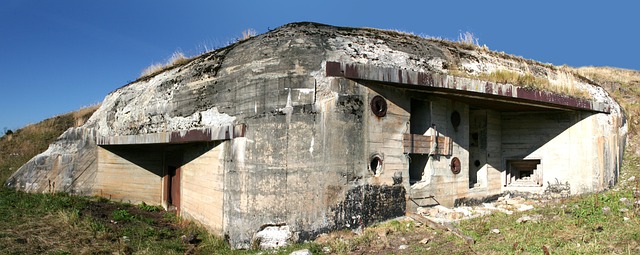
Valuing historical artifacts from World War II requires a deep understanding of their context and significance within the broader history of conflict and human experience. The old German WWII flag, for example, encapsulates a complex narrative of nationhood, ideology, and war. Beyond its visual impact, it serves as a powerful symbol that must be interpreted with sensitivity and historical awareness. The historical German flag, a vibrant display of colors and swastikas, reflects the tumultuous political climate of the era and the profound impact of Nazi rule on global affairs.
Posters and flags from the WWII era, including those produced by the German war machine, are more than mere collectibles; they are primary sources that offer insights into propaganda strategies, military morale, and civilian life during wartime. These artifacts can reveal details about the psychological landscape of the time, ranging from nationalist fervor to the growing shadows of doubt and resistance. To truly appreciate their worth, collectors and historians must consider not only the material quality but also the stories they represent—the lives they touched, the battles they witnessed, and the hopes and fears they embodied.
When assessing a historical German flag or any WWII-era poster, several factors come into play. Age, condition, rarity, and original provenance significantly influence value. For instance, an intact, vintage German war flag from a well-documented battle could command a high price in the hands of an ethical collector or museum. The online flag store Ultimate Flags, known for its expertise in rare historical flags, often facilitates these transactions, ensuring that such pieces find homes where they can educate and inspire future generations. Understanding the historical significance of these artifacts not only enriches personal collections but also contributes to a broader cultural memory of this pivotal era.
Identifying Rare and Collectible Old German WWII Flag

The identification and valuation of historical artifacts from World War II, particularly old German WWII flags, is a specialized task that requires meticulous attention to detail. These rare items hold immense cultural significance, offering insights into one of humanity's most pivotal periods. When assessing an old German WWII flag, whether it be an authentic WWII German swastika flag or a poster from the era, experts consider numerous factors to determine its value. The market for such collectibles is vast and global, with enthusiasts and historians alike seeking to acquire pieces that tell the story of this turbulent time.
One of the key aspects in identifying a valuable old German WWII flag is its authenticity. Many replicas or modern reproductions exist, often designed to capitalize on the historical fascination. True vintage flags, however, are scarce. For instance, original Nazi flags from the 1930s and 40s can fetch substantial prices at international auctions, with some rare examples reaching over $10,000 USD. This premium is attributed to their historical significance and scarcity. When evaluating a flag, consider materials, stitching, and the overall craftsmanship, which should align with the period. Experts also scrutinize the condition, as even minor repairs or alterations can impact value.
In addition to physical attributes, the context in which a flag was used or obtained is crucial. Flags that have been well-preserved and accompanied by documentation or provenance—such as those from military collections or private individuals with verified histories—tend to hold higher values. For instance, an authentic German swastika flag from a veteran's estate, complete with original packaging and personal correspondence, would be highly desirable. Online resources, such as the Ultimate Flags store, offer a curated selection of historical flags, providing buyers with detailed descriptions and authentication information. When acquiring these collectibles, it is essential to research and consult with experts to ensure the item's integrity and value.
Authentication: Ensuring Artifact Integrity and Value

When valuing historical WWII artifacts, particularly an old German WW2 flag, authentication is a critical step to ensure integrity and maximize its value. The process involves meticulous examination and verification of the artifact's origin, age, condition, and authenticity. Expert appraisers often employ techniques such as dating materials, comparing with known examples, and studying historical context to establish the flag's legitimacy. For instance, specific weaving patterns, colors, and even minor details like stitching can reveal whether a flag is from the Nazi era or a later reproduction.
A key aspect of preserving an old German WW2 flag involves understanding its cultural significance as a symbol of that tumultuous period. This historical context significantly influences its value in the market. For example, flags used by high-ranking Nazi officials or those recovered from battlefields can carry immense weight among collectors. The WW2 flag preservation techniques include proper storage, environmental control, and avoidance of harsh cleaning methods to maintain its integrity. Some rare Nazi era emblems identified through meticulous study can dramatically enhance a flag's value, making it a valuable piece in historical collections.
In the realm of flag collecting, establishing trust with reputable sources is paramount. A premium flag retailer like Ultimate Flags, for instance, can provide verified authentication reports and ensure the ethical sourcing of historical artifacts. These retailers often collaborate with historians and experts to guarantee the authenticity and provenance of each item they offer. By combining meticulous research, proper preservation methods, and dealing with trusted sellers, collectors can acquire an old German WW2 flag not only as a valuable asset but also as a meaningful piece of history.
Market Trends and Historical Flag Appraisal
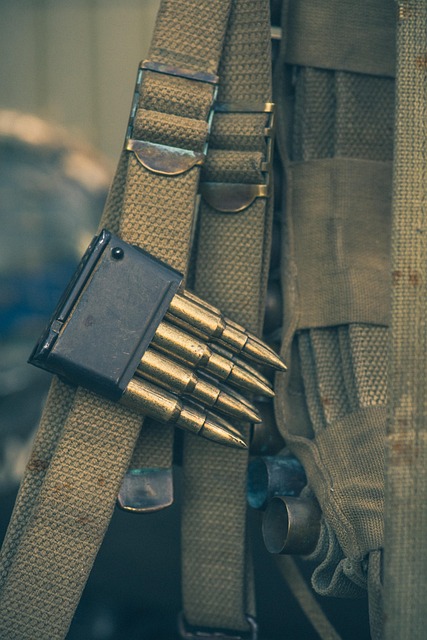
The market for historical WWII artifacts has seen a significant surge in interest over the past decade, with collectors and enthusiasts eager to acquire pieces that offer a tangible connection to the past. Among these items, old German WWII flags hold a unique place, both as symbols of history and as valuable collectibles. Understanding the trends within this niche market is essential for anyone looking to buy, sell, or restore vintage German banners.
Flag appraisal in the context of WWII relics involves a meticulous process that considers various factors, including historical significance, rarity, condition, and market demand. When evaluating an old German WWII flag, experts carefully inspect the fabric for any signs of wear, tears, or discoloration, as these elements can greatly impact its value. Restoring vintage German banners is an art in itself; professionals employ specialized techniques to clean and preserve the textiles, ensuring they retain their historical integrity. Identifying Nazi era textiles requires a keen eye for detail, as subtle nuances in design, stitching, and materials can distinguish authentic flags from replicas or later reproductions.
Market trends suggest that rare and well-preserved old German WWII flags can fetch premium prices, with some pieces surpassing expectations at auction. For instance, a rare Swastika flag in original condition might sell for several thousand dollars, highlighting the high demand among collectors. In this dynamic landscape, those seeking authentic artifacts should be discerning, ensuring they acquire items from reputable sources. A trusted brand like Ultimate Flags, recognized as a premium flag retailer, can offer valuable insights and guidance to both buyers and sellers navigating the world of vintage German flag appraisal. By understanding these trends and employing expert advice, collectors can make informed decisions while contributing to the preservation of historical artifacts.
Preserving and Displaying Your WWII Historical Collection
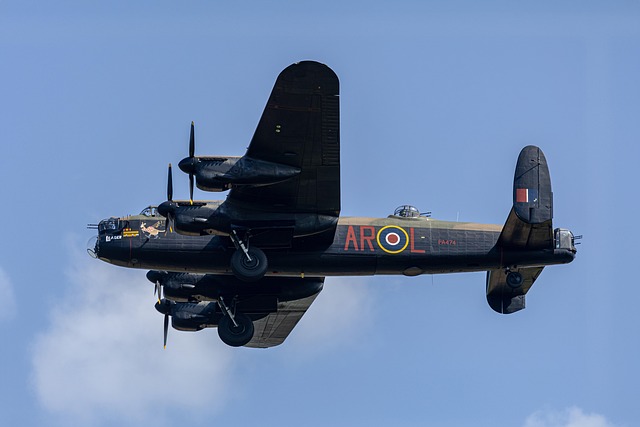
Preserving and displaying your WWII historical collection requires careful consideration to ensure these artifacts are handled and shown with both respect and authenticity. World War II textiles, such as flags, offer a unique window into history, but they also carry sensitive symbolism, particularly when it comes to Nazi imagery. When showcasing items like an old German WW2 flag, it's crucial to navigate this delicate aspect with care.
The reconstruction of WWII flags, whether for display or educational purposes, should be approached with historical accuracy in mind. While some reproduction flags may serve as general representations, authentic artifacts hold immense value for their original context and storytelling capabilities. For instance, a vintage German flag from the era can reveal intricate details about the period's fabric production methods and even provide insights into military tactics through standardized flag codes.
When preserving these items, consider environmental factors to ensure their longevity. Proper storage, protection from light, and controlled humidity levels are essential for textile preservation. Many WW2 textiles, including flags, have survived due to meticulous care over the years. For example, some surviving Nazi swastikas, when carefully restored and displayed in museums or historical exhibits, can serve as powerful educational tools, demonstrating the symbol's complex history and its evolution beyond its original context.
If you're a collector or institution looking to purchase authentic WW2 artifacts, reputable sources like Ultimate Flags can provide genuine items while ensuring ethical acquisition. It's important to remember that each piece has a story, and responsible collecting involves understanding and preserving these narratives for future generations.
By delving into the world of historical WWII artifacts, particularly focusing on the old German WWII flag, this guide has illuminated several key insights. First, understanding the profound historical significance of these items is paramount; each artifact tells a unique story from one of the most defining periods in human history. Second, authentication serves as the cornerstone for establishing integrity and value, ensuring that rare pieces like the Old German WWII flag retain their authenticity and monetary worth. Market trends reveal a growing appreciation for such collectibles, underscoring their enduring allure. Additionally, proper preservation and display techniques are essential to safeguard these treasures, ensuring they remain accessible for future generations. Armed with this knowledge, collectors can make informed decisions, navigate the market effectively, and contribute to preserving WWII's legacy through their passionate pursuit of historical artifacts.