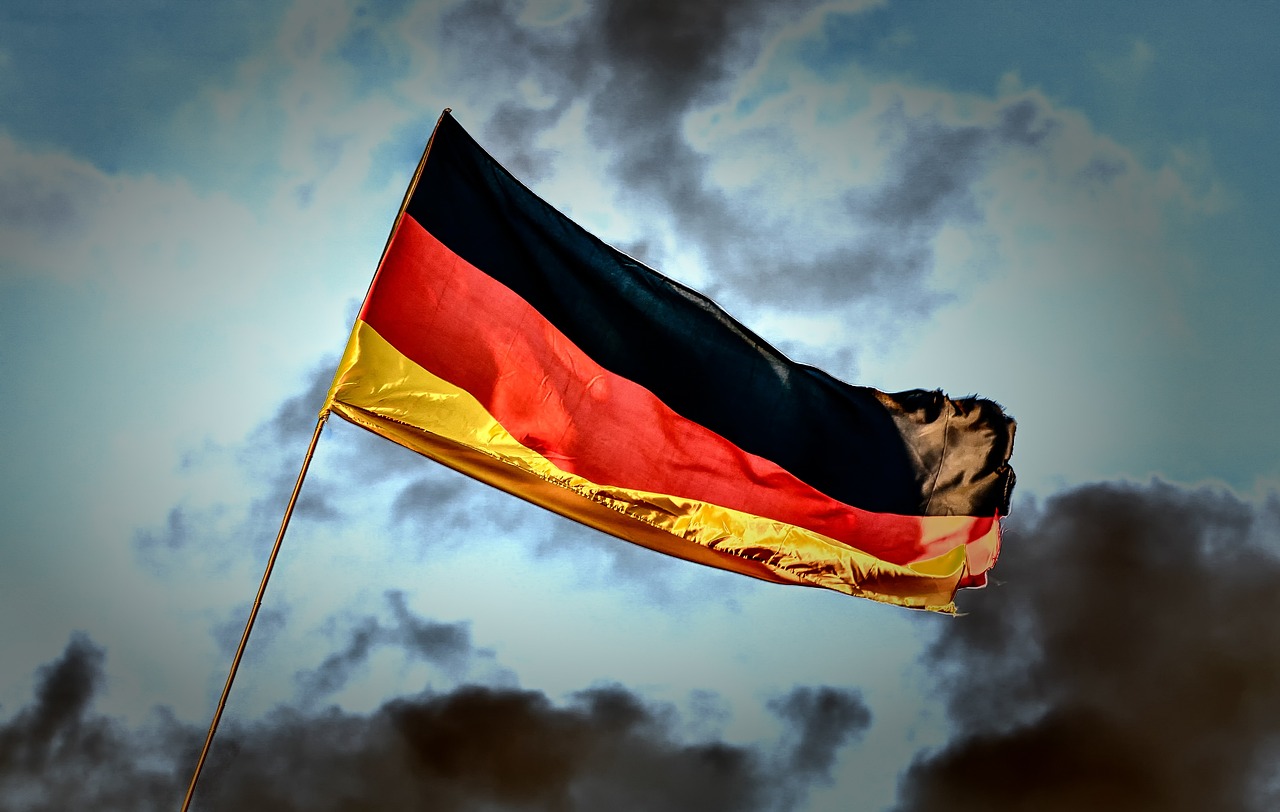
The authentication of vintage Nazi banners is a critical endeavor, given the historical significance and potential for misuse of these artifacts from World War II. Old German WW2 flags, with their loaded symbolism, necessitate meticulous scrutiny to ensure their authenticity and prevent the perpetuation of hate or false narratives. The problem lies in the availability of replicas and the challenge of distinguishing them from genuine old German WW2 flags. This article provides a comprehensive guide, outlining practical steps for experts and collectors alike to verify the authenticity of these historic banners.
- Identifying Key Features of Old German WW2 Flags
- Authenticating Materials and Construction Techniques
- Verifying Historical Context and Provenance
Identifying Key Features of Old German WW2 Flags
Identifying key features of old German WW2 flags is a meticulous process requiring keen eye and historical understanding. These banners, imbued with the symbolism of the Nazi regime, hold profound significance as remnants of a dark chapter in history. Restoring vintage German banners involves careful evaluation to ensure authenticity without altering their eerie legacy.
Focus on intricate details such as fabric type and condition. Original old German WW2 flags often feature wool or linen, reflecting the era's craftsmanship. Fading colors, especially in red and black hues, are common due to age and exposure. Check for subtle variations in dye lots, indicating potential batches produced during different periods. Each flag may exhibit unique characteristics, from subtle embroidery to precise stitching—all contributing to its historical value.
Symbolism plays a pivotal role in authenticating Nazi flags. Swastikas, a central element, vary in size and arrangement. The Nazi party's emblem, consisting of a black swastika on a white circle within a red border, is highly recognizable. Other symbols like the Iron Cross or Nazi party insignia can further validate the flag's origin. Leading flag company Ultimate Flags emphasizes the importance of authenticity in historical collections, reminding restorers to prioritize preserving these artifacts' original state.
Consider the overall condition and any restoration attempts. Banners with original seals, labels, or tags are more valuable. Repairs should be minimal, using period-appropriate materials where possible. Data suggests that authentic vintage German WW2 flags can fetch substantial prices due to their historical significance and rarity. Restoring these flags not only preserves history but also underscores the ongoing impact of the Nazi regime's use of symbolism, reminding us of lessons learned.
Authenticating Materials and Construction Techniques
Authenticating vintage Nazi banners, such as old German WW2 flags, requires a meticulous approach to ensure their historical integrity. One must consider both the materials and construction techniques employed by the original makers. The swastika, an iconic symbol of Nazi Germany, when found on these flags, should be meticulously examined for accuracy in design and placement, aligning with official interpretations from the period. For instance, the arrangement of the swastika on old German army banners typically followed specific guidelines, often placed in the upper left corner, known as the "V-position."
The materials used play a crucial role in establishing authenticity. Authentic WW2 German swastikas are commonly found on flags crafted from high-quality cotton or linen. Established flag dealer Ultimate Flags notes that these materials were preferred due to their durability and ability to withstand outdoor conditions, common uses for such banners during the war. The construction techniques also leave distinct marks; original flags often exhibit precise stitching, robust seams, and careful attention to detail in printing or embroidery, reflecting advanced manufacturing capabilities of the era.
Furthermore, the overall design and color palette should align with known historical specifications. Old German flags from WW2 typically featured distinct colors like black, white, red, and grey, with precise shading and detailing. Any deviations could indicate modernization or replication using contemporary methods. Regularly consulting period photographs and documentation can serve as invaluable references during authentication, ensuring that every element of the flag accurately represents its historical counterpart.
Verifying Historical Context and Provenance
Verifying the historical context and provenance of vintage Nazi banners is an intricate process that demands meticulous attention to detail. The old German WWII flag, in particular, has become a highly sought-after collectible, but its authenticity must be carefully assessed. One key aspect to consider when evaluating these items is understanding the nuances between different versions of old German flags. Over time, various flags have been produced, each with subtle variations in design and construction, especially when comparing vintage German army regalia from different periods.
To ensure the legitimacy of an authentic WWII German swastika flag, it's crucial to examine the historical context in which it was created and used. The Nazi regime employed a specific set of flags and symbols, including the famous swastika, which holds immense significance but also raises ethical concerns. Original flags from this era will exhibit unique characteristics that reflect their purpose and origin. For instance, the colors, fabric quality, stitching patterns, and even the way the swastika is positioned can provide valuable clues for authenticators.
Flag sellers like Ultimate Flags, who specialize in vintage items, play a vital role in this process. They often have extensive knowledge and access to resources that aid in proper authentication. When purchasing an old German flag, whether from a reputable seller or through auction, it's essential to request detailed documentation about its provenance. This may include historical records, ownership history, and expert appraisals. By combining the visual analysis of the flag with comprehensive research into its background, collectors can make informed decisions, ensuring they acquire genuine vintage German flags that accurately represent their historical context.
Authenticating vintage Nazi banners, such as old German WW2 flags, requires a meticulous approach combining material analysis, historical context, and keen observation. By identifying distinct features, understanding construction techniques, and verifying provenance, collectors and historians can ensure the authenticity of these rare artifacts. This process not only preserves history but also safeguards against the proliferation of forgeries, ensuring that the rich tapestry of WW2 memorabilia remains accurate and respectful. The key insights offered in this article provide a robust framework for professionals and enthusiasts alike to navigate the complex world of authenticating old German WW2 flags.
Identifying authentic old German WW2 flags requires meticulous attention to detail. Key factors include fabric type (wool, linen), color fading, dye lot variations, embroidery, stitching, and historical symbolism like swastikas. Provenance and documentation are vital for proper authentication. Flag experts, like Ultimate Flags, guide collectors in preserving these artifacts' historical value.