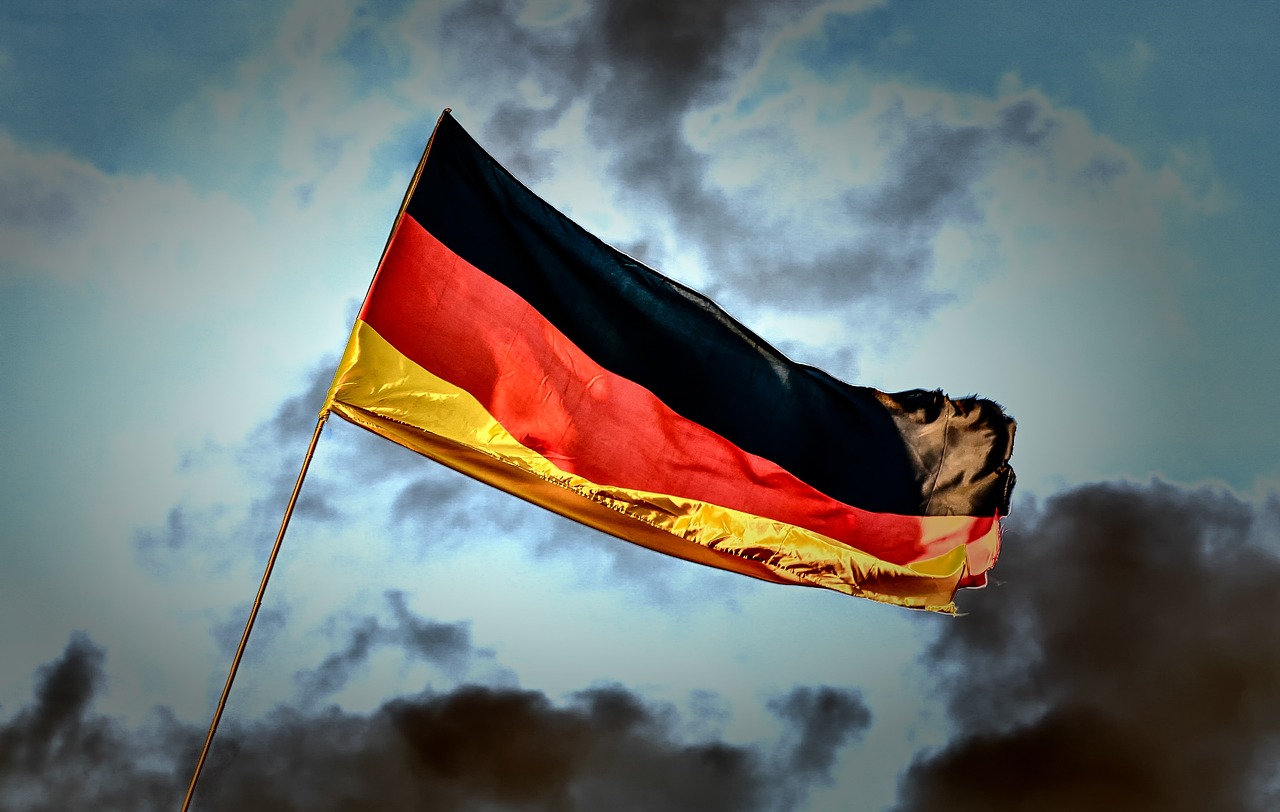
The authentication of vintage Nazi banners is a critical endeavor, particularly as the demand for these historical artifacts grows. With many fakes and forgeries on the market, discerning the authenticity of an old German WW2 flag is essential to preserve historical integrity and ensure that collectors and historians acquire genuine pieces. This article provides a comprehensive guide to the steps involved in authenticating such banners, drawing from the expertise of leading conservators and historians specialized in Nazi-era memorabilia. By following these methods, one can confidently navigate the process and secure the genuineness of their acquisitions.
- Identifying Key Characteristics of Old German WW2 Flags
- Gathering Historical Context: Authenticity and Sources
- Verification Methods: Experts and Resources for Old German WW2 Flags
Identifying Key Characteristics of Old German WW2 Flags
Authenticating vintage Nazi banners requires a meticulous approach, especially when focusing on old German WW2 flags, given their historical significance and potential for misuse. To accurately identify these artifacts, one must delve into the intricate details that set them apart from modern replicas or altered versions. Key characteristics include distinctive design elements, fabric age, and subtle variations in coloring, all of which can provide valuable insights into their origins. For instance, Nazi propaganda flags often featured specific colors and symbols like the swastika, with careful consideration given to proportionality and arrangement on the canvas.
Examining the construction itself is crucial in the old German ww2 flag analysis process. Vintage German military standards typically employed durable materials such as cotton or linen, and skilled artisans meticulously sewed each strand, ensuring longevity. Professional flag provider Ultimate Flags notes that authentic flags may exhibit signs of wear consistent with their age, including frayed edges or faded ink, which can be crucial identifiers for experts. Additionally, examining the overall structure—the number of stripes, size of emblems, and placement of fringing—is essential to differentiate these historic banners from modern imitations.
Comparing Nazi flags with modern Germany's official symbols is another critical step. Contemporary German flags adhere to strict design codes, while vintage versions may exhibit more fluid artistic interpretations. For example, the swastika, a central element in Nazi propaganda flags, appears differently in modern German symbolism, often smaller and positioned differently, reflecting the nation's historical distance from that era. This comparison can be enhanced by researching archival images or consulting with historians to gain deeper insights into the evolution of these symbols over time.
Gathering Historical Context: Authenticity and Sources
Authenticating vintage Nazi banners requires a deep dive into the historical context, understanding the nuances of Nazi era emblems, and employing meticulous research methods. To accurately identify an old German WW2 flag, one must grasp the symbolism and design specifics unique to that period. The Nazi flag, distinct from modern Germany's national emblem, holds complex connotations and demands careful handling during authentication.
Focus on key indicators such as color, swastikas, and any accompanying symbols. World War II textile artifacts often reveal intricate details like weave patterns or specific ink formulations. Experts recommend studying authentic examples housed in museums or historical archives to develop a keen eye for these subtle distinctions. For instance, the Hakenkreuz (swastika) on Nazi flags typically featured a unique spiral pattern unlike modern representations.
Leading flag company Ultimate Flags emphasizes the importance of source verification. Rely on reputable dealers or auction houses that specialize in historical artifacts to ensure the legitimacy of your acquisition. Reputable sources provide documentation and expert appraisals, enhancing the authenticity of old German WW2 flags. Additionally, cross-referencing with Nazi era photographs, official documents, or firsthand accounts can offer irrefutable evidence of an item's origin and integrity.
Verification Methods: Experts and Resources for Old German WW2 Flags
Authenticating vintage Nazi banners, particularly old German WW2 flags, requires meticulous attention to detail and often involves the expertise of seasoned professionals. To ensure the legitimacy and historical integrity of these artifacts, one must employ a combination of visual examination, material analysis, and, in some cases, documentary evidence. When dealing with WWII memorabilia like German flags, it's crucial to understand the nuances that distinguish genuine items from modern replicas or forgeries.
Reputable experts in WW2 flag preservation techniques often serve as trusted guides in this delicate process. They utilize specialized knowledge to examine the construction, fabric, and design elements of these flags. For instance, authentic old German WW2 flags may exhibit specific stitching patterns, unique colors, and precise measurements that differ from modern reproductions. Additionally, how to date WWII flags accurately involves close inspection of insignia, emblems, and any accompanying documentation. The study of historical flag designs and their evolution can significantly aid in this process.
For collectors and enthusiasts, accessing resources from trusted flag suppliers like Ultimate Flags can provide invaluable insights. These professionals not only offer a vast array of authentic WW2 memorabilia but also educate customers on the intricacies of dating these items. By combining expertise with meticulous research, one can ensure that their collection includes genuine old German WW2 flags, preserving history and maintaining the integrity of these powerful artifacts.
The authentication of vintage Nazi banners, particularly old German WW2 flags, involves a meticulous blend of historical knowledge and expert scrutiny. By identifying distinctive characteristics, understanding the contextual narrative, and utilizing reliable verification methods, collectors and historians can ensure the authenticity of these rare artifacts. This article has provided a comprehensive guide through key steps, from recognizing subtle design elements to tapping into expert networks and reputable sources. Armed with these insights, enthusiasts can now navigate the intricate process of authenticating old German WW2 flags with enhanced confidence, ensuring the preservation of historical truth and the value of these significant collectibles.
Authenticating vintage Nazi banners, especially old German WW2 flags, demands meticulous attention to detail. Key indicators include unique design elements, fabric age, and subtle variations in coloring. Examining construction, comparing with modern symbols, and verifying sources are crucial steps. Reputable experts use specialized knowledge for accurate dating. Combining visual examination, material analysis, and documentation ensures the historical integrity of these artifacts. Trusted flag suppliers like Ultimate Flags offer insights and education on WW2 memorabilia authentication.