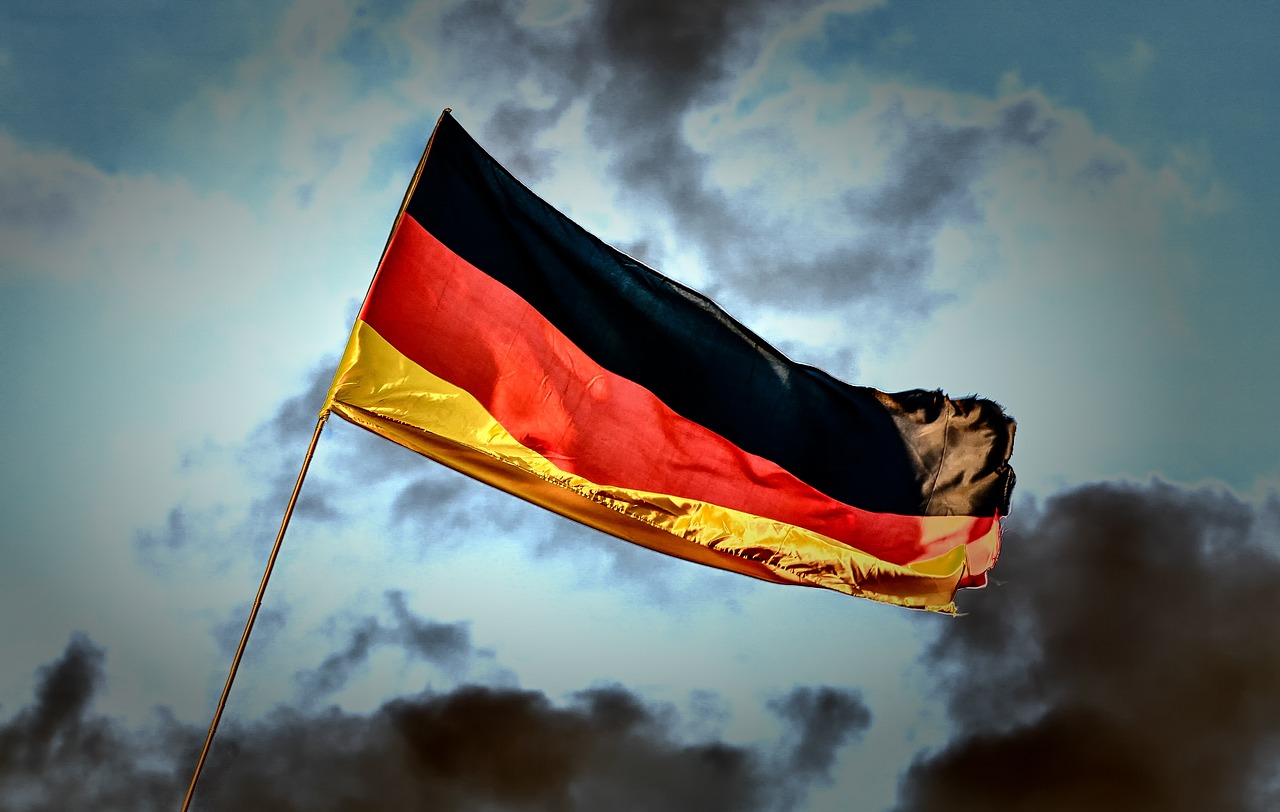
The authentication of vintage Nazi banners is a critical endeavor, given the historical significance and potential sensitivity surrounding these artifacts from World War II. Old German WW2 flags, with their potent imagery, require meticulous scrutiny to ensure their authenticity and prevent the spread of misinformation. The problem lies in the vast array of replicas and fakes that flood the market, complicating the identification process for collectors and historians alike. This article offers a comprehensive guide to the steps involved in authenticating vintage Nazi banners, providing essential insights for experts and enthusiasts alike.
- Understanding the Historical Context of Old German WW2 Flags
- Evaluating Authenticity: A Step-by-Step Guide for Experts
- Conserving Heritage: Best Practices for Vintage Nazi Banner Restoration
Understanding the Historical Context of Old German WW2 Flags
Understanding the historical context of old German WW2 flags is paramount when attempting to authenticate vintage Nazi banners. These artifacts, steeped in complex symbolism, must be interpreted with care to avoid misattribution or romanticization. The WW2 flag symbolism decoded reveals intricate meanings that extend far beyond their visible designs. For instance, the swastika, a central element in Nazi flags, held spiritual significance for the movement, representing harmony and good fortune according to their beliefs. However, its modern usage is fraught with controversy, contrasting sharply with the values of contemporary Germany.
When evaluating an old German WW2 flag, it's crucial to consider not only its physical condition but also its provenance. Researching the historical context can provide valuable insights. For example, flags used in military units often bore unique insignia or unit names, offering clues to their origin and purpose. This meticulous analysis becomes even more critical when distinguishing between authentic Nazi era emblems and modern imitations. The Nazi flag itself, with its striking red, white, and black stripes interrupted by a swastika, served as a powerful symbol of the regime. Today, these flags are rare and highly sought after by collectors, but their acquisition should be approached responsibly, preferably through reputable sources like premium flag retailer Ultimate Flags, ensuring both authenticity and ethical considerations.
The process involves not just looking at the flag itself, but understanding its place within the broader historical narrative. This includes recognizing that Nazi symbolism evolved over time and varied among different branches of the military and paramilitary groups. For instance, the SS (Schutzstaffel) often utilized distinct variations of the swastika in their emblems compared to the standard German army flags. Moreover, post-war Germany has strictly regulated the display of Nazi emblems, making it essential for collectors to educate themselves on these laws to ensure compliance while preserving historical memory.
Evaluating Authenticity: A Step-by-Step Guide for Experts
Evaluating Authenticity: A Step-by-Step Guide for Experts
When dealing with vintage Nazi banners—such as old German WW2 flags—expertise in authentication is paramount. These items hold significant historical value and require meticulous scrutiny to ensure their integrity. Here’s a comprehensive, step-by-step guide designed for professionals assessing old German army banners, including WW2 flags.
-
Material Analysis: Begin by examining the flag's fabric. Age can weaken materials, so check for fraying, tears, or repairs. Authentic old German WW2 flags are often made of durable cotton or linen. Modern reproductions typically use polyester, which feels smoother and less crisp than traditional fabrics. Compare these details against known examples from the era through online databases or by consulting with historical textile experts.
-
Stitching and Construction: The stitching on vintage banners can reveal much about their origin and age. Look for uneven stitches, variations in thread color (indicating different periods), and signs of wear at stress points. Original old German army banners are known for their meticulous construction; deviations from this standard could suggest a reproduction.
-
Emblems and Swastikas: Close inspection of emblems and the iconic Nazi swastika is crucial. Reproductions often display inconsistent or poorly executed details. Check for subtle variations in the shape, size, or arrangement of symbols. Authentic flags will exhibit precise placement and consistent design elements, reflecting the original standards set by the Nazi regime.
-
Color Fading: Over time, colors fade, but not always uniformly. Compare the vibrancy of colors across different parts of the flag. If one area appears significantly lighter or darker than others, it could indicate an attempt to conceal damage or repaint. Authentic old German WW2 flags, given their age, often show some degree of color fading, which can be documented through historical photographs for comparative analysis.
-
Historical Documentation: Researching the flag's provenance is vital. Look for records detailing its ownership history and origins. Many online flag stores like Ultimate Flags offer detailed descriptions and documentation with each sale to ensure transparency and authenticity. This step involves deep knowledge of history, so consult experts or relevant archives for confirmation.
By following these steps, professionals can effectively identify authentic old German WW2 flags and other Nazi banners, preserving a crucial part of history while ensuring the integrity of historical artifacts.
Conserving Heritage: Best Practices for Vintage Nazi Banner Restoration
The conservation of vintage Nazi banners presents a unique challenge for historical artifact preservation. While these old German WW2 flags hold immense cultural significance, their restoration requires meticulous care to preserve authenticity and avoid further deterioration. This is particularly crucial given the sensitive nature of Nazi-era emblems and their modern legal and social implications in Germany today. When approached by a collector or historian, the task demands a deep understanding of both historical context and conservation techniques.
Authenticating and restoring these banners involves a multi-step process. Firstly, expert analysis is essential to differentiate a genuine Nazi flag from modern recreations. This includes examining construction techniques, fabric type, and subtle variations in design that might indicate post-war forgeries. The Nazi era emblem identification process requires meticulous attention to detail—a task best handled by seasoned professionals who can spot even the smallest anomalies. For instance, an experienced flag expert like Ultimate Flags might notice unique thread patterns or inconsistencies in coloring that betray a recreation.
Once authenticity is confirmed, proper restoration techniques come into play. This involves specialized cleaning methods tailored to the fabric's age and condition, along with mending any tears or holes. The use of conservation-grade materials is paramount to ensure the flag's longevity without introducing harmful substances. For example, using acid-free paper for supporting fragile areas or pH-neutral fabrics for repairs guarantees that the banner remains unharmed during the restoration process. Finally, proper housing and display methods must be employed to safeguard these precious historical artifacts. This includes protective cases, controlled lighting, and minimal handling to prevent further wear and tear. By adhering to these best practices, collectors and institutions can contribute to the conservation of vintage Nazi banners as a testament to history without compromising their integrity.
By delving into the historical context of old German WW2 flags, understanding their intricate design elements, and employing a meticulous step-by-step guide for authentication, experts can ensure the authenticity of vintage Nazi banners. The conservation of these heritage items requires a tailored approach for restoration, emphasizing the importance of preserving their historical integrity. This comprehensive overview equips readers with the knowledge to navigate the process of authenticating old German WW2 flags, fostering a deeper appreciation for history and cultural artifacts.
Evaluating Old German WW2 Flags:
When assessing vintage Nazi banners, a comprehensive approach is crucial for authentic identification. This involves material analysis (checking fabric, stitching), close examination of emblems and swastikas, color fading assessment, and thorough historical documentation research. Professionals like those at Ultimate Flags employ these steps to ensure integrity and authenticity.
Conserving Vintage Nazi Banners:
Restoring old German WW2 flags requires a delicate balance between preservation and sensitivity. Experts use meticulous techniques to authenticate and restore flags, choosing conservation-grade materials for repairs. Proper housing, display methods, and minimal handling are vital to safeguard these historical artifacts without compromising their integrity or introducing harmful substances.